Art collection management may seem like an exciting yet daunting task for both amateur collectors and seasoned aficionados alike. As the art world continues to expand, collectors must adopt practical strategies to manage their curated treasures efficiently. Beyond the sheer beauty, art is an investment that requires careful maintenance, tracking, and protection to appreciate over time. In this guide, we explore various aspects of art collection management, ensuring your collection’s value and splendor are preserved for generations to come.
Understanding the Importance of Art Collection Management
At its core, art collection management involves a comprehensive approach to handling, organizing, and safeguarding artworks. Whether you’re amassing a personal collection or overseeing an institutional archive, effective management is essential to preserve both the aesthetic and financial value of your assets. Well-managed collections are more than just assortments; they reflect a dynamic narrative, embody cultural heritage, and even serve as a tangible legacy.
Strategic Acquisition and Documentation
A vital component of art collection management begins with strategic acquisition and meticulous documentation. Choosing pieces that align with your collection's theme or investment goals requires thorough research. Consider factors such as the artwork's provenance, authenticity, and historical significance. Documentation should include detailed records of provenance, purchase receipts, condition reports, and exhibition histories. This not only assists in verifying authenticity but also adds to the work's overall market value.
Storage and Preservation Techniques
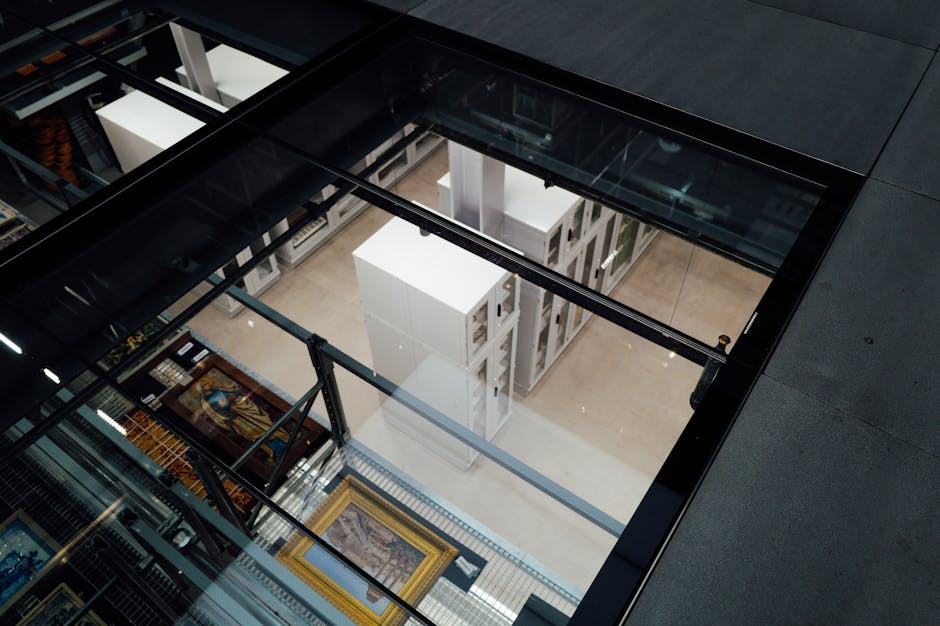
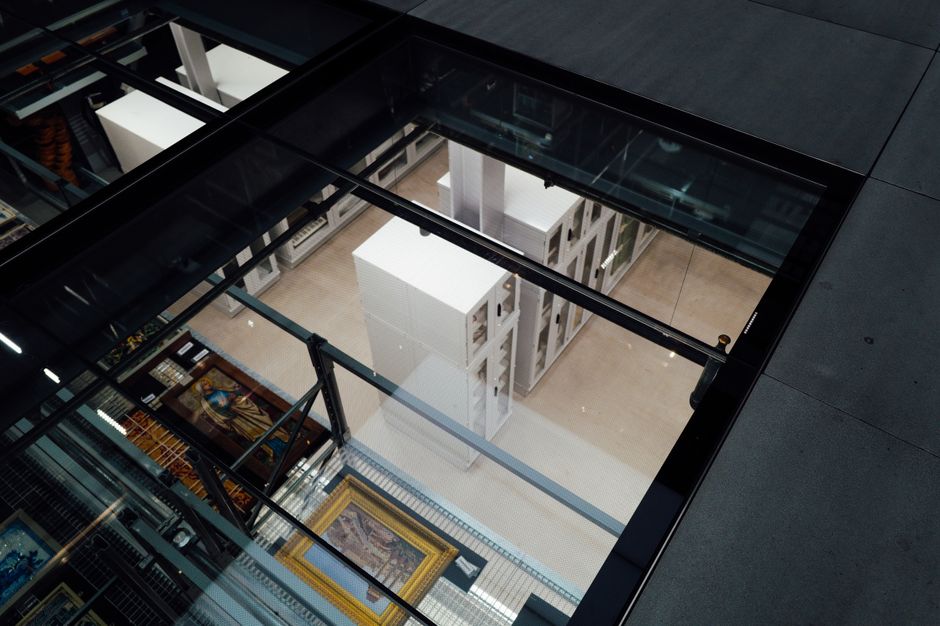
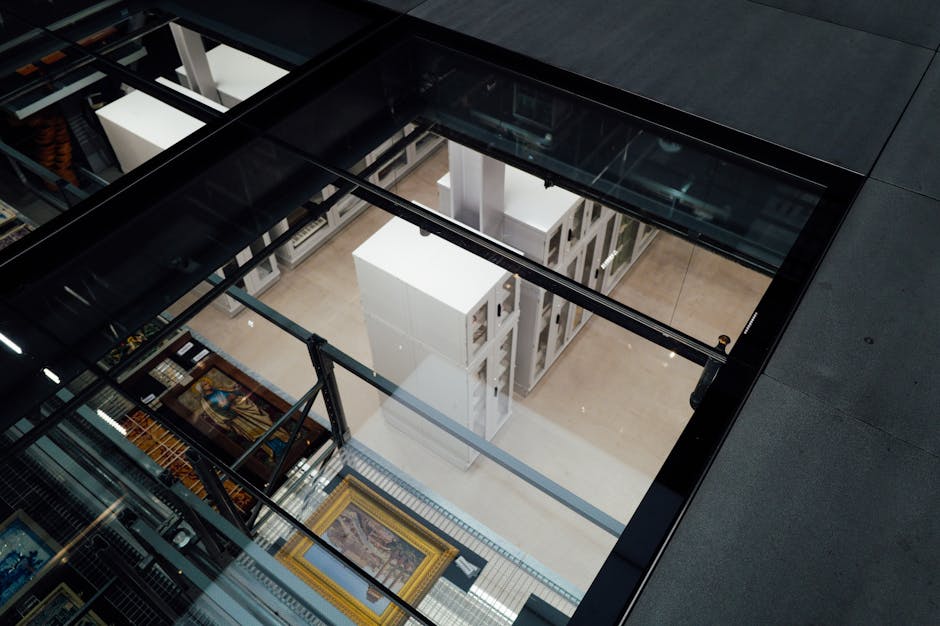
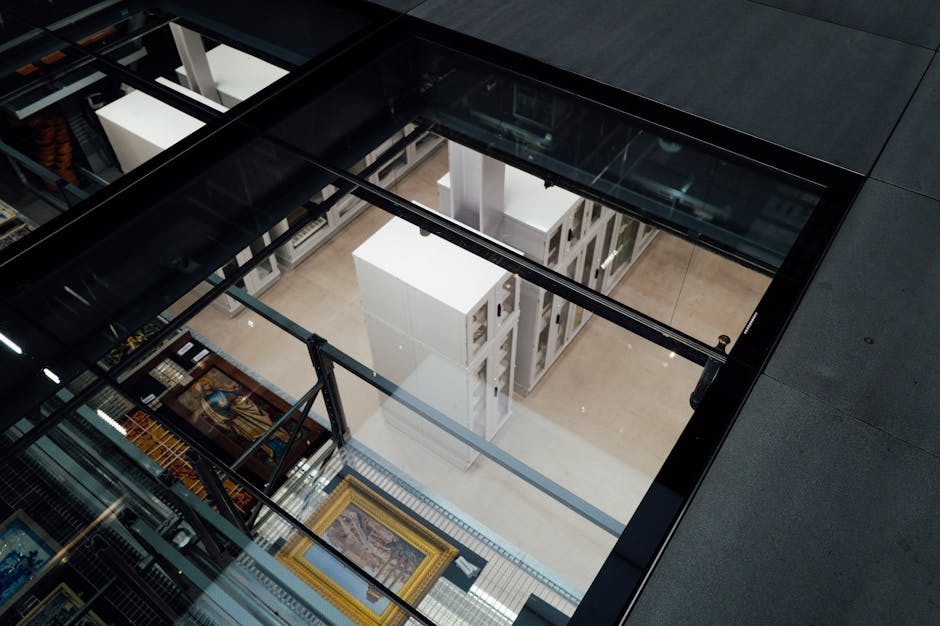
Proper storage and preservation are critical to maintaining the integrity of art pieces. Factors such as temperature, humidity, and lighting can drastically affect an artwork's longevity. Invest in climate-controlled environments to prevent deterioration. For paintings, using acid-free materials for storage and ensuring UV-protection from lights can preserve their condition. Sculptures and delicate artifacts often require specialized enclosures to avoid dust accumulation and physical damage. Engaging professional conservators for routine maintenance can further ensure your collection remains in impeccable condition.
Insurance and Risk Management
Investing in a comprehensive insurance policy tailored to art collections is essential for risk management. Artworks are vulnerable to theft, natural disasters, and accidental damage. Work with insurance professionals to assess the value of your collection regularly and update your coverage as necessary. Additionally, develop a risk management strategy that includes digital backups of documentation, detailed inventories, and a clear response plan in the event of an emergency.
Utilizing Technology in Collection Management
The digital age offers innovative solutions for art collection management. Leveraging specialized software can streamline inventory processes, automate cataloging, and enhance record-keeping. These digital tools allow collectors to track metadata, provenance, and financial appraisals efficiently. Furthermore, some systems offer virtual gallery setups, enabling you to visualize and organize your collection from anywhere in the world. Incorporating technology not only simplifies management but also elevates the overall experience of maintaining your collection.
Promoting and Sharing Your Collection
Finally, consider opportunities to promote and share your collection. Engaging with other art enthusiasts and opening your collection to public exhibits can foster cultural exchange and enhance your collection's reputation. Participating in curated exhibitions, creating online galleries, or collaborating with museums and cultural institutions are excellent ways to achieve this. Sharing art enriches communities and offers new perspectives, reaffirming the value of your collection beyond its monetary worth.
Conclusion
In conclusion, art collection management is an intricate process that balances passion with precision. From strategic acquisition to embracing digital solutions, each step plays a vital role in preserving the splendor and significance of an art collection. By implementing these strategies, collectors can ensure their curated masterpieces are not only safeguarded but also celebrated for their cultural and historical contributions. As you continue to build and manage your collection, remember that each piece is a story, and effective management is key to sharing that story with the world.