In the dynamic world of art collecting, possessing a collection is just the beginning. Proper art collection management is crucial for safeguarding the value of your pieces, ensuring they are well-documented, and ready to be appreciated by future generations. Whether you own an elaborate gallery or a modest assortment of artwork, understanding effective management practices can make a world of difference. In this guide, we delve into seven indispensable strategies to refine your art collection management skills.
Understanding the Importance of Documentation
One of the pillars of art collection management is meticulous documentation. Keeping accurate records of each artwork’s provenance, purchase history, and any restoration work is vital. These details not only authenticate your pieces but also preserve their historical context. Digital databases serve as an effective method of organizing these records, providing easy access and robust data security.
Handling and Conservation Practices
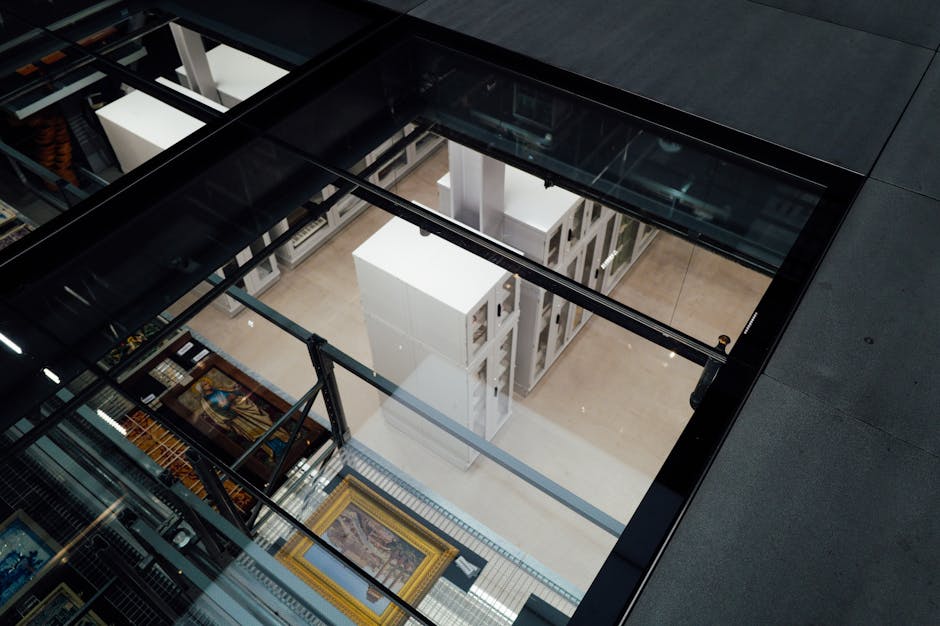
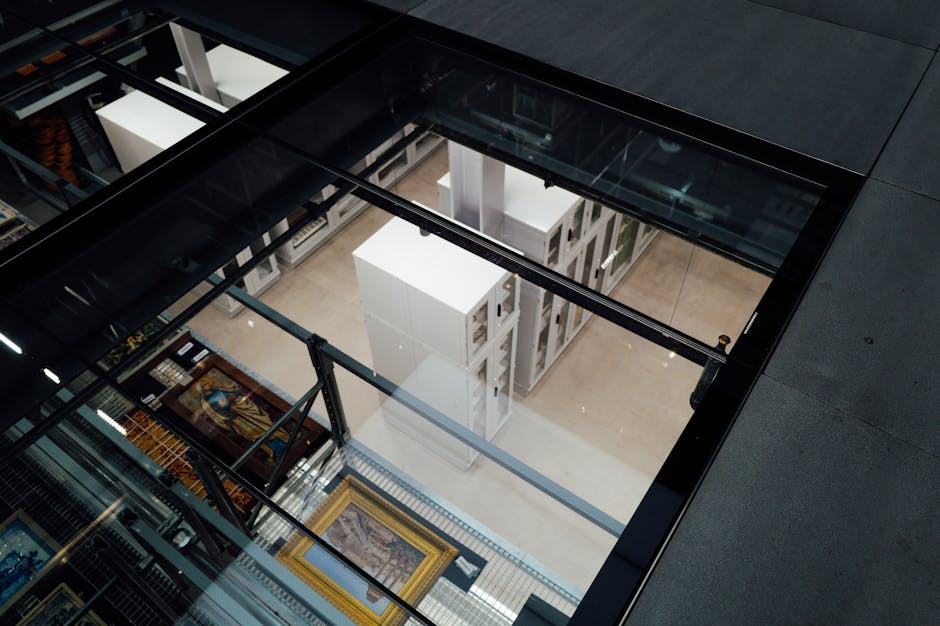
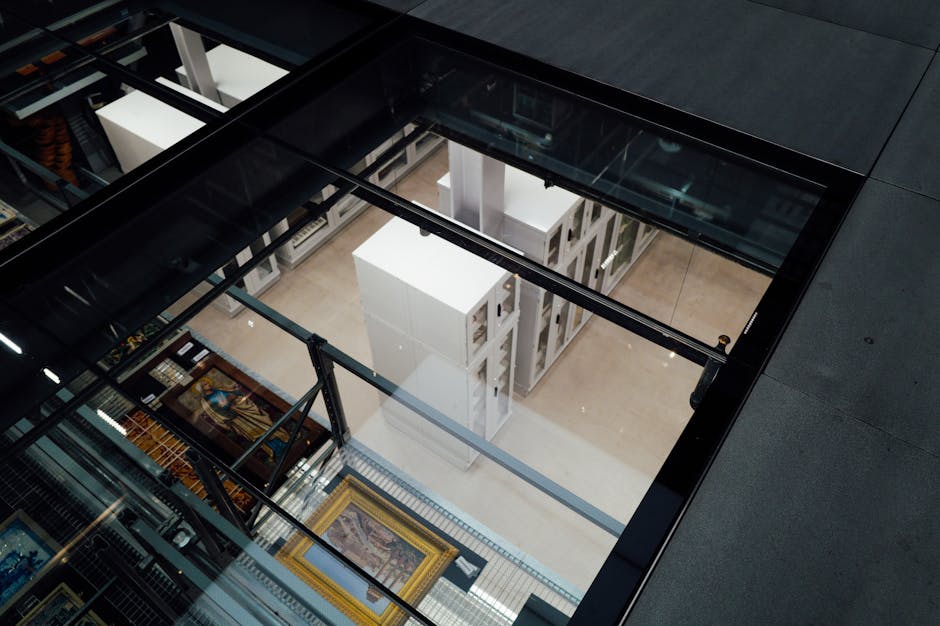
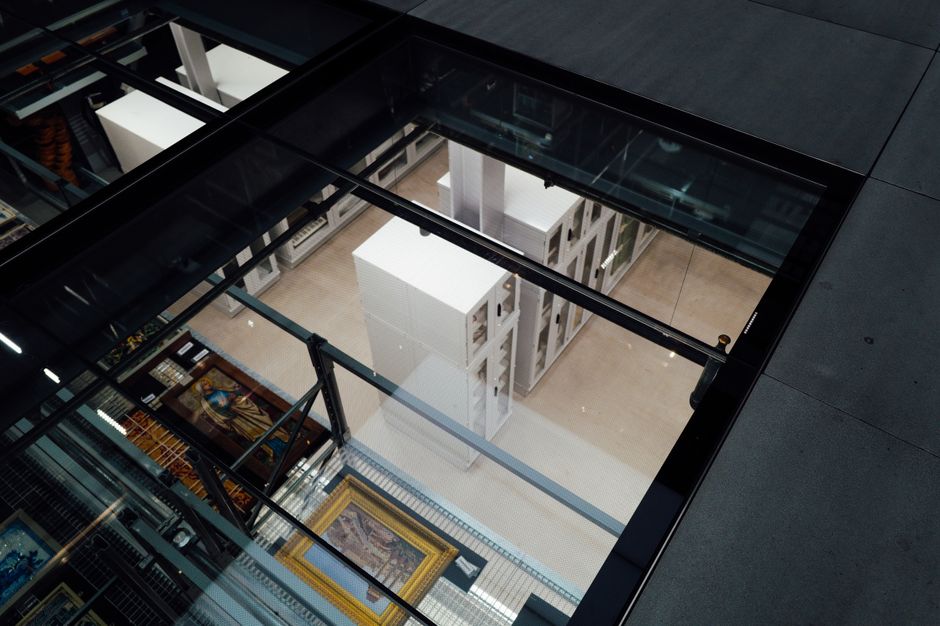
Artworks, by their very nature, are vulnerable to various environmental factors. Protecting them from damage involves understanding and implementing appropriate handling and conservation techniques. Regular maintenance, such as cleaning or environmental control, helps in preserving the original condition of artworks. Consulting with professional conservators can offer insights into specific care required by different materials, ensuring your collection remains in pristine condition.
Leveraging Technology for Management
In today’s digital age, leveraging technology can revolutionize how collections are managed. Art management software offers tools for cataloging, inventory management, and even condition reporting. These platforms often come with features that enable users to access their collection from anywhere, providing a comprehensive view and insights at the click of a button. Embracing technology ensures that your art management processes are both efficient and effective.
Insurance and Risk Management
Art collections are a significant investment and securing them through appropriate insurance is critical. Evaluate different insurance policies to ensure they cover aspects like theft, damage, and loss during transportation. Moreover, risk management extends to imposing protocols for storage and display, thus preventing potential hazards. Regular assessment of insurance policies aligns them with the current value and conditions of your collection.
Display and Curation Techniques
The way art is displayed can influence its perception and valuation. Proper curation involves not only aesthetic considerations but also practical ones, such as lighting and spatial arrangements. Thoughtful display practices enhance the viewing experience while protecting the artwork itself. Changing displays periodically also keeps the collection fresh, offering renewed interest for both private viewing and public exhibitions.
The Role of Legal Considerations
Navigating the legal landscape is an often-overlooked but crucial aspect of art collection management. From ownership disputes to import/export regulations, understanding legalities can prevent potential pitfalls. Engaging with legal professionals who specialize in art law provides clarity and ensures compliance with international standards, thus safeguarding your collection's integrity and legality.
Planning for the Future
Art collections can serve as legacy components, intended for future generations or philanthropic purposes. Establishing a clear plan, whether through family succession or donations, ensures the collection's continuity beyond personal ownership. Consulting with estate planners or advisors helps in crafting strategies that align with your long-term goals for the collection.
In conclusion, managing an art collection requires a blend of meticulous planning, technological integration, and a keen understanding of legal and financial considerations. Through these strategies, collectors can ensure the preservation and enhancement of their collections, transforming them into enduring legacies. By embracing these principles, collectors not only protect their valuable investments but also nurture the cultural and historical significance embedded within each piece.