In the world of art collection, passion meets precision. While the allure of owning masterpieces is undeniably captivating, managing them effectively requires a meticulous approach. Art collection management is not merely about showcasing your treasures; it's about preserving and enhancing their value over time.
Cataloging Your Collection
One of the foundational steps in effective art collection management is comprehensive cataloging. This process involves creating a detailed inventory of each piece in your collection. Essential information such as the artist's name, title of the work, dimensions, medium, year of creation, provenance, and condition reports should be meticulously documented. Cataloging aids in creating a structured repository of information, which is crucial for insurance, appraisal, and sale considerations.
Storage and Preservation
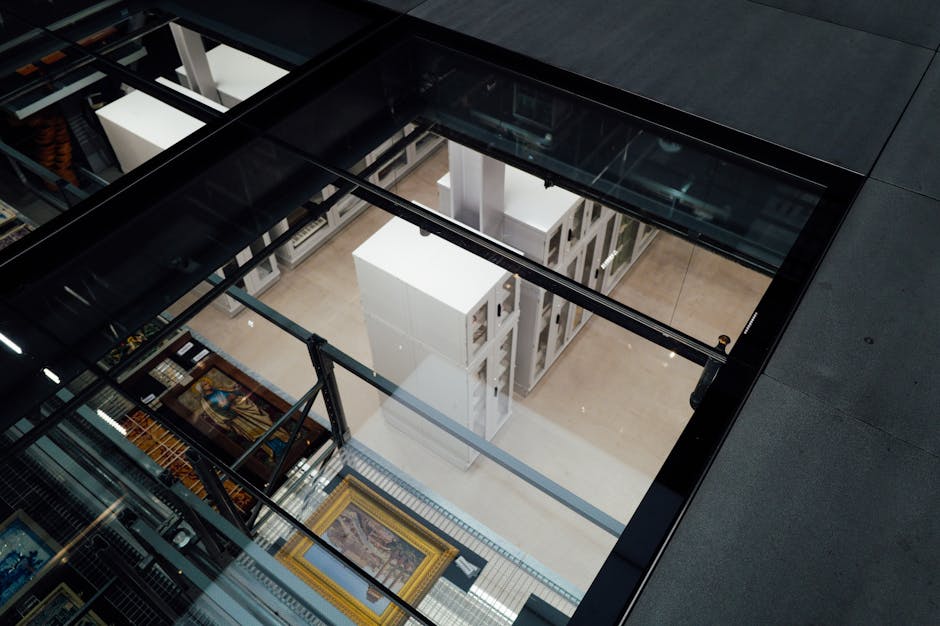
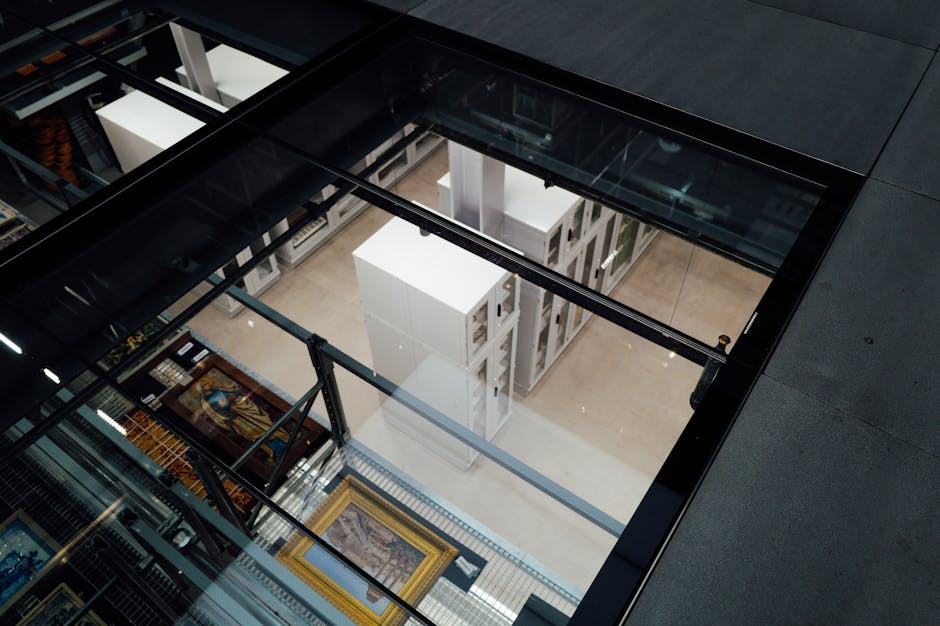
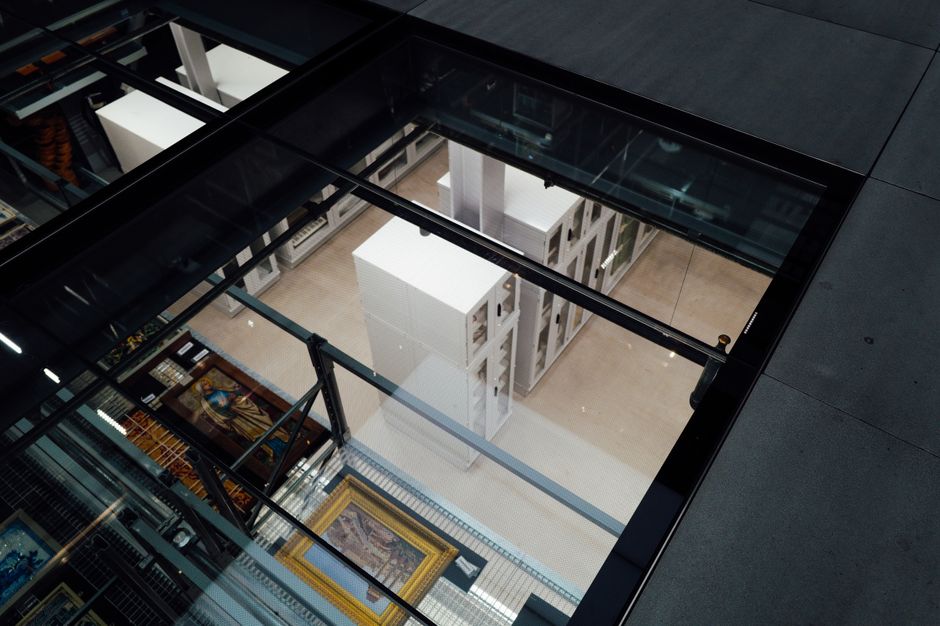
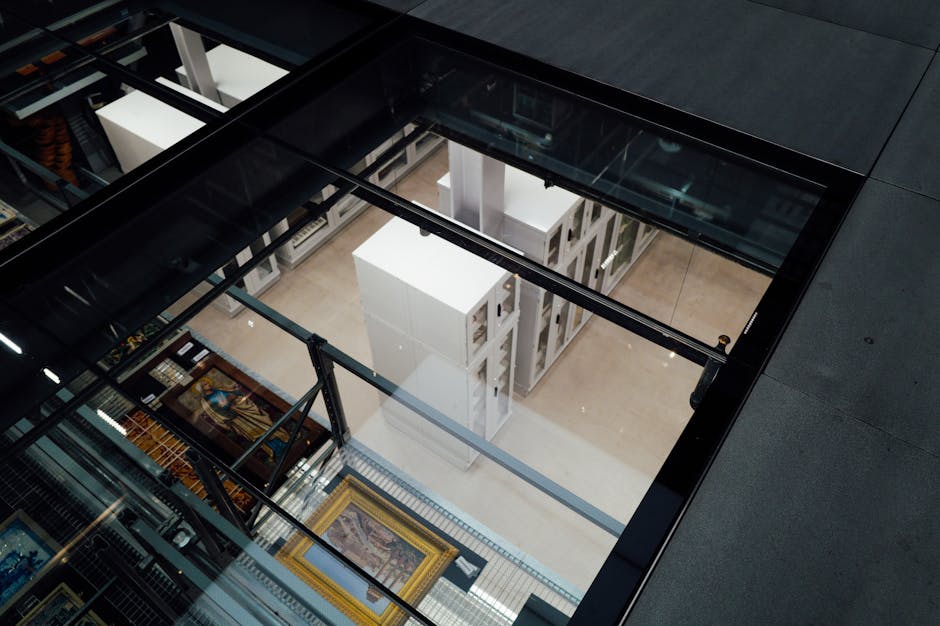
Art pieces often deteriorate due to improper storage conditions. Emphasizing appropriate storage solutions is critical to preserving their longevity and condition. Factors such as temperature, humidity, lighting, and security must be controlled to prevent damage. Utilizing archival-quality storage materials, climate-controlled environments, and specialized lighting can vastly enhance the preservation of artworks, ensuring they maintain their aesthetic and financial value.
Art Valuation and Insurance
Understanding the current market value of your collection is crucial for both financial and legal purposes. Regular appraisals by qualified professionals can provide insights into the fluctuating market conditions, thereby protecting your investment. Additionally, securing comprehensive insurance coverage tailored to art collections is vital. This ensures protection against theft, damage, or disaster-related losses. Collaboration with insurance experts who understand the nuances of art valuation can result in robust coverage that aligns with the unique risks associated with art ownership.
Legal Considerations and Provenance
Provenance, or the documented history of an artwork's ownership, plays a pivotal role in verifying its authenticity and value. Thoroughly researching and maintaining accurate provenance records can mitigate legal disputes and enhance the market value of artworks. Moreover, understanding relevant legal considerations such as copyright laws, export licenses, and tax implications is essential for maintaining compliance and ensuring the smooth management of your collection.
Access and Display
Balancing accessibility with careful preservation is an art in itself. Deciding how and where to display your collection requires a thoughtful approach that considers the aesthetic appeal, safety, and viewer engagement. Employing professional curators or designers can enhance the visual impact of your collection while maintaining its integrity. Whether displayed in private settings or loaned to exhibitions, art pieces should be exhibited in a manner that maximizes both their beauty and safety.
In conclusion, mastering art collection management is a harmonious blend of passion and precision. By implementing strategies centered around meticulous cataloging, preservation, valuation, legal insight, and thoughtful display, art collectors can ensure their treasures are well-preserved and appreciated for generations to come. Whether you're an avid collector or just beginning your journey, these essential strategies empower you to not only manage but truly enhance your art collection's value and legacy.