Art collection management is a nuanced activity that requires both a love for art and strategic coordination to preserve and enhance the value of your collection. Whether you're an avid art enthusiast or a private collector, understanding how to effectively manage your collection is crucial. This article delves into key strategies for successful art collection management, ensuring your collection is both a financial and cultural asset.
Understanding the Fundamentals of Art Collection Management
Art collection management is more than just acquiring beautiful pieces. It involves a systematic approach to cataloging, preserving, displaying, and planning for the future of your collection. At its core, it's about safeguarding your investments while maximizing their cultural and financial value. This involves a diverse set of tasks ranging from insurance and valuation to conservation and security.
Proper Documentation and Cataloging
One of the foundational steps in art collection management is thorough documentation and cataloging. Maintain detailed records of each piece, including provenance, condition reports, acquisition details, and valuation. This documentation serves multiple purposes: it's a vital component for insurance, assists in the appraisal process, and enhances both personal and market knowledge. Moreover, digital tools and software can ease the process, allowing collectors to manage their archives effectively and efficiently.
Conservation and Preservation: Keeping Art in Optimal Condition
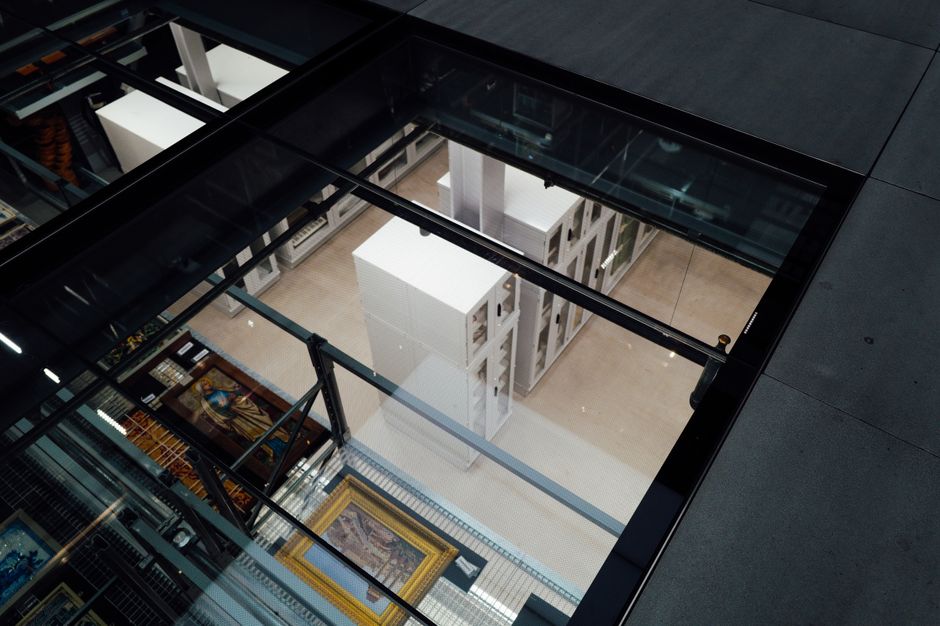
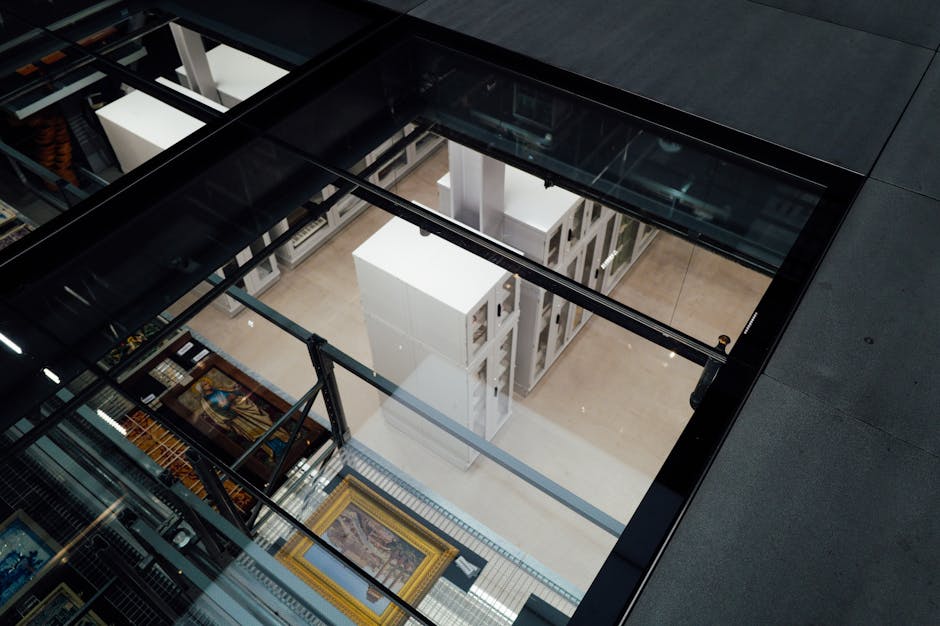
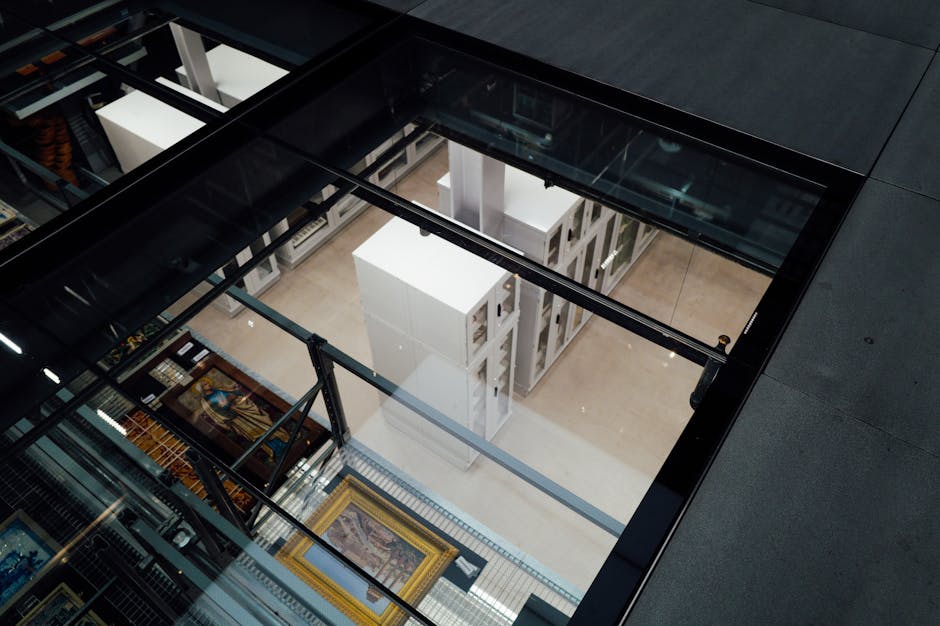
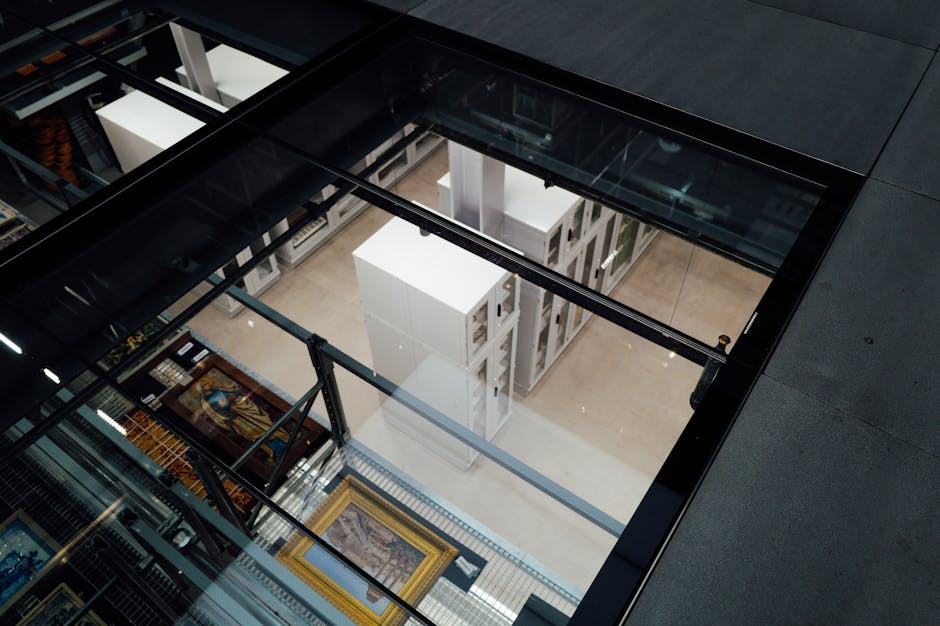
Preserving the physical condition of artworks is crucial to maintaining their value. This involves regular condition checks and ensuring that pieces are housed in a controlled environment that protects against factors like light, humidity, and temperature, which can severely damage artworks. Engage with professional conservators for restoration or maintenance when necessary. Consistent monitoring and proper upkeep not only safeguard artworks but also extend their longevity dramatically.
Insurance and Risk Management
Insurance is a key component for protecting art collections. Comprehensive policies should be in place to cover theft, damage, or loss, tailored to the specific risks your collection faces. Regular valuation updates ensure that insurance coverage aligns with the collection's current market value. Collaborating with art insurance specialists can provide insights into the best coverage options, aiding risk mitigation strategies to protect your investment.
Enhancing Security Measures
Security should never be an afterthought in art collection management. Implementing rigorous security protocols can prevent theft and unauthorized access. Secure storage spaces, surveillance systems, and personnel training can significantly bolster security efforts. Additionally, transport security is vital when artworks are moved, ensuring they reach their destination without incident.
Planning for the Future
Art collections are not just valued for the present but as legacy investments for the future. Strategic future planning involves making informed decisions about the disposition of your collection. Whether through donation, sale, or passing it down through generations, having a clear plan is essential. Estate planning and consulting with legal professionals familiar with art collections can guide how best to manage the transition of ownership to maximize tax efficiency and adhere to personal objectives.
Conclusion: Curating Success in Art Collection Management
Effectively managing an art collection requires a blend of passion and precision. By focusing on critical areas such as documentation, conservation, security, and future planning, collectors can ensure that their collections continue to thrive. As the landscape of the art world evolves, staying informed and adaptable is key to maintaining a collection that is both cherished and valuable.