France, a country renowned for its rich artistic legacy, offers a mesmerizing journey through time and culture with its iconic art heritage. With centuries of history intertwined within its vast museums, prestigious art institutions, and enduring architecture, France captivates art enthusiasts and travelers alike, providing endless opportunities to delve into its compelling artistic narrative. This article highlights five exceptional cultural landmarks that define France’s remarkable art heritage.
The Louvre: A Timeless Treasury of Art
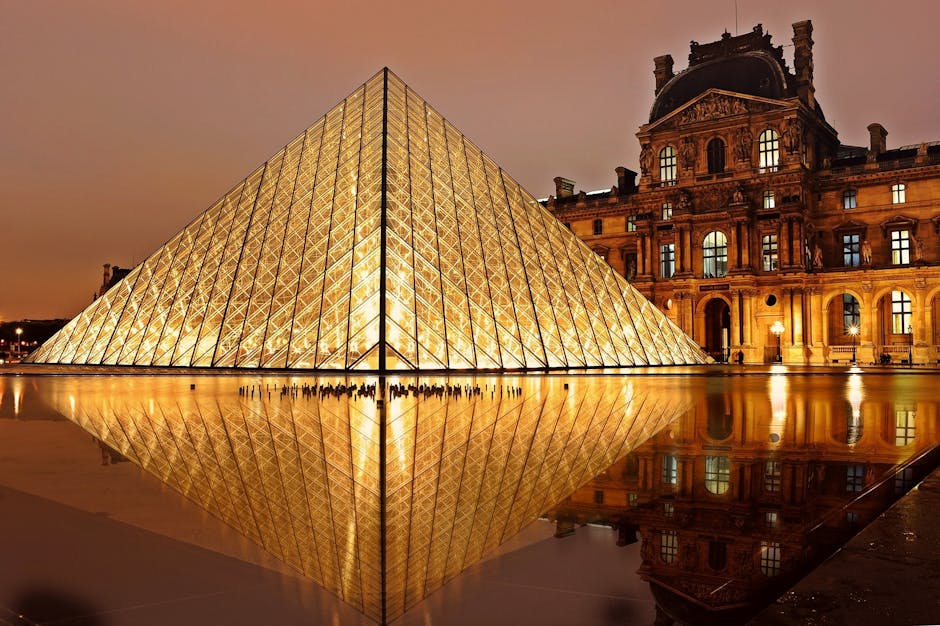
The Louvre Museum in Paris stands as a testament to France’s central role in the world of art. As the largest museum globally, it houses over 35,000 works of art spanning prehistoric times to the 19th century. Its vast collection includes masterpieces such as Leonardo da Vinci's "Mona Lisa" and the ancient Greek statue, "Venus de Milo." Originally serving as a fortress in the late 12th century and later transformed into a royal palace, the Louvre’s architecture itself is a masterpiece, blending elements from different eras. This landmark is indispensable for anyone looking to immerse in France's artistic grandeur.
Montmartre: The Bohemian Cradle of Creativity
In northern Paris, the district of Montmartre holds an extraordinary artistic charm, known for its fascinating bohemian history and breathtaking views from its elevated location. Renowned as the epicenter of the Belle Époque era, this hilltop village was home to illustrious artists including Pablo Picasso, Vincent Van Gogh, and Henri Toulouse-Lautrec. Visitors can explore the vibrant Place du Tertre, where artists continue the tradition of outdoor painting, or visit the Espace Dalí, which showcases surrealistic sculptures and engravings by Salvador Dalí. Montmartre’s atmospheric streets are a living canvas reflecting the soul of Parisian artistry.
The Palace of Versailles: A Baroque Artistic Wonder
A symbol of absolute monarchy and extravagant design, the Palace of Versailles is an architectural gem and UNESCO World Heritage site. Constructed in the 17th century under King Louis XIV, Versailles exemplifies the pinnacle of Baroque art and architecture. Its opulent Hall of Mirrors and the meticulously manicured gardens featuring sculptures and fountains epitomize the artistic and cultural magnificence of France’s Ancien Régime. Versailles' grandeur offers visitors a glimpse into the lavish artistic endeavors of France’s royal history.
Musée d'Orsay: A Tribute to Impressionism
The Musée d'Orsay, housed in the former Gare d’Orsay railway station in Paris, boasts an unrivaled collection of Impressionist and Post-Impressionist masterpieces. Artists such as Claude Monet, Edgar Degas, and Vincent van Gogh are prominently featured, making this museum a cornerstone for enthusiasts of the 19th and early 20th-century art movements. The conversion of a Beaux-Arts station into a museum itself speaks to the artistic reinvention characteristic of French cultural history. Each visit reveals the evolution of modern art within a setting that is both beautiful and historically rich.
The Cité de Carcassonne: A Fortress Filled with History
While not a museum or gallery, Carcassonne is a medieval fortified city in the Languedoc-Roussillon region, embodying a unique artistic heritage. With origins tracing back to Roman times, its restored ramparts and fortifications transport visitors into a bygone era. Designated a UNESCO World Heritage site, Carcassonne’s walled architecture and Gothic cathedral reflect the craftsmanship and artistic skill of medieval Europe. Roaming through its cobbled streets is like stepping back into history, offering insights into the artistic and architectural prowess of a past age.
Conclusion: France’s Everlasting Artistic Legacy
France's art heritage is deeply rooted in its historical narrative and continues to influence global artistic endeavors. From the grandeur of the Louvre to the intimate charm of Montmartre, each landmark serves as a beacon of artistic expression and cultural pride. These sites not only showcase individual artworks but also tell stories of innovation, evolution, and tradition that define the essence of French art. Exploring these cultural treasures is not merely a journey through France’s past but a celebration of timeless artistic inspiration.