France, a country synonymous with romance, gastronomy, and an unparalleled artistic legacy, stands as a beacon in the landscape of international art heritage. From its opulent palaces to world-renowned museums, France offers a kaleidoscope of artistic expressions that have captivated people for centuries. This article delves deep into what makes France's art heritage an enduring treasure that continues to inspire awe around the globe.
The Foundations of French Art Heritage
French art heritage is rooted in a rich tapestry of history that stretches back to prehistoric times. The Lascaux Cave paintings, dating back approximately 17,000 years, are among humanity's earliest artistic endeavors. As centuries passed, France played host to a myriad of art movements, each leaving an indelible mark on the global art scene. From the lavish artistry of the Gothic cathedrals to the revolutionary strokes of Impressionist painters, France’s contributions to art have been both varied and prolific.
The Magnificence of Architecture
There's a reason why France is home to several UNESCO World Heritage sites, many of which owe their status to architectural marvels. The grandeur of Notre-Dame Cathedral, with its intricate Gothic design, and the regal palace of Versailles, symbolic of absolute monarchy, illustrate the country's architectural prowess. Structures like the Eiffel Tower, initially criticized, have become quintessential representations of modern artistic innovation.
Birthplace of Artistic Movements
France has been the cradle of numerous groundbreaking art movements, forever altering the artistic landscape. The 19th and early 20th centuries witnessed the birth of Impressionism and the avant-garde techniques that followed. Artists like Claude Monet and Edgar Degas challenged and transformed traditional methods, favoring light and color over realistic depictions. The surrealism of Salvador Dalí and Marcel Duchamp's conceptual approach further expanded the boundaries of what art could be, demonstrating France's role as a hub for creative innovation.
Museums: Guardians of French Art Heritage
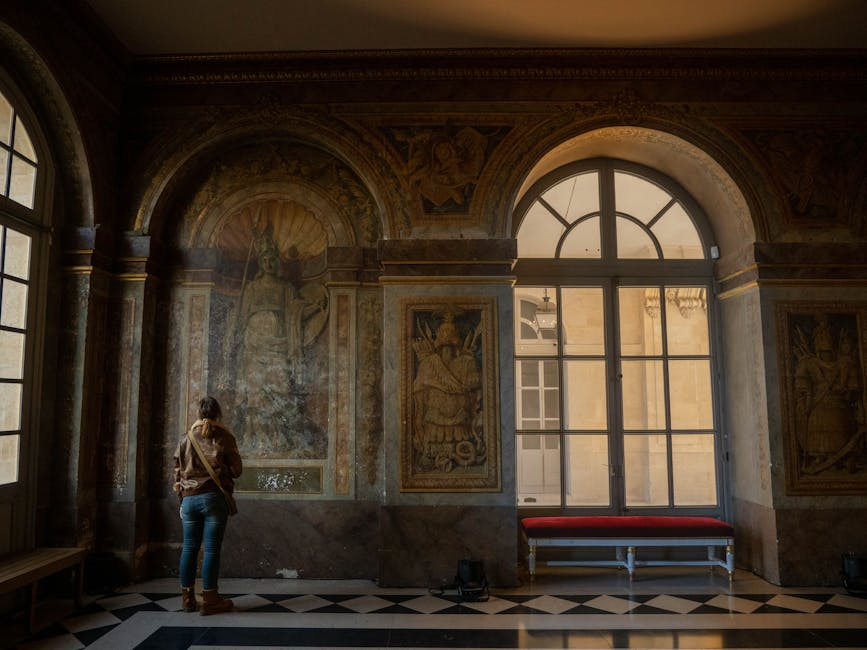
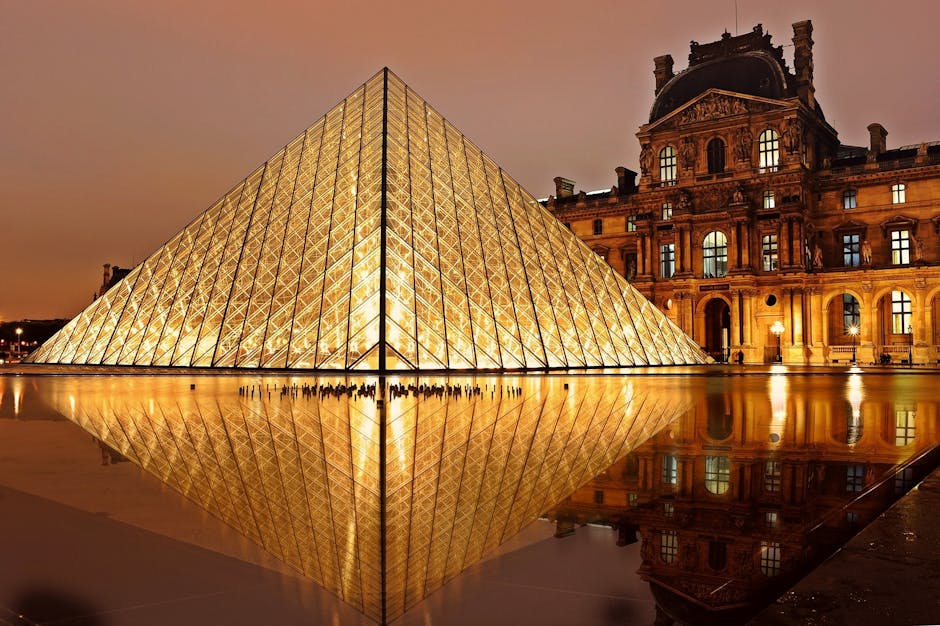
No exploration of France’s art heritage is complete without mentioning its iconic museums. The Louvre, home to the Mona Lisa and Venus de Milo, is the world's largest and most visited art museum. Yet, it is just one of many in a long list of prestigious French art institutions. The Musée d'Orsay, with its impressive collection of Impressionist masterpieces, and the Centre Pompidou, featuring modern and contemporary works, highlight the breadth and diversity of artistic treasures safeguarded within France.
Art in Everyday Life
In France, art transcends museum walls and is woven into the very fabric of everyday life. From ornate gardens and bustling street markets to vibrant festivals and immersive performances, artistic expression is alive throughout the country. Cities such as Paris, the quintessential "City of Art," offer numerous avenues for experiencing art in varying forms, while smaller towns boast unique cultural traditions that reflect local artistry.
Conclusion: Why France's Art Heritage Still Enchants
France's art heritage remains a compelling draw for tourists, historians, and art enthusiasts alike because it is both timeless and continuously evolving. This dynamic interplay between the old and the new ensures that French art remains relevant, offering inspiration for future generations. Whether you are walking through the storied halls of a museum, standing before a centuries-old cathedral, or attending a contemporary art show, France invites you to experience an artistic journey unlike any other. It is this enduring allure that keeps the world enamored with France’s extraordinary art heritage.