Nestled at the heart of Europe, France stands as a beacon of art and culture. With its vast and diverse artistic heritage, the country holds an esteemed position in the world of art, attracting enthusiasts, historians, and travelers from every corner of the globe. From opulent palaces to groundbreaking movements, France's art heritage offers a kaleidoscope of stories and inspirations. Dive deep with us as we explore the enchanting facets of French art heritage that continue to captivate the world.
The Renaissance Influence
The Renaissance period marked a profound transformation in European art, and France was no exception. This era saw the fusion of classical antiquity and humanism, which significantly influenced the artistic landscape. French artists, like Jean Fouquet, began to embrace a more realistic representation of subjects, leading to innovations in portraiture and the use of perspective. The Renaissance laid the groundwork for future artistic endeavors in France, establishing a tradition of excellence and innovation.
The Opulence of Baroque and Rococo
In the 17th and 18th centuries, Baroque and Rococo styles flourished in France, showcasing exuberance and intricacy. The grandeur of the Palace of Versailles, with its luxurious decor and elaborate gardens, epitomizes this artistic period. The works of artists like Nicolas Poussin and Antoine Watteau are celebrated for their ornate details and dynamic compositions. These styles were not just limited to painting but were also evident in architecture, interior design, and sculpture, reflecting the wealth and power of the French court.
The Revolutionary Spirit of the 19th Century
The 19th century was a time of upheaval and innovation in France, mirrored in its art scene. The Romantic movement, led by figures such as Eugène Delacroix, emphasized emotion and individualism, breaking away from previous artistic conventions. Later, the Impressionists, including Claude Monet and Pierre-Auguste Renoir, challenged traditional perceptions of light, color, and form, marking a departure toward modernism. These movements were pivotal in shaping the course of Western art.
Modernism and Beyond
The 20th century introduced modernism and avant-garde movements, with Paris as a focal point. Artists like Pablo Picasso and Henri Matisse pushed boundaries, exploring new techniques and perspectives. The creation of iconic works like Picasso's "Les Demoiselles d'Avignon" and Matisse's cut-outs redefined visual art. Moreover, movements such as Surrealism and Dada, spearheaded by André Breton and Marcel Duchamp, respectively, were famously nurtured within French borders, proving France's significance as a crucible of artistic innovation.
The Role of French Architecture
Architecture in France is inseparable from its artistic heritage. Gothic cathedrals like Notre-Dame de Paris are not only architectural masterpieces but also repositories of art in the form of stained glass, sculptures, and carvings. The blend of Romanesque, Gothic, and later Neoclassical styles reflect the evolution of design through centuries. The architectural landscape of France narrates a story of historical and cultural shifts, encapsulating the nation's identity.
France's Contribution to Global Art Education
In addition to producing celebrated art and artists, France has also significantly contributed to art education. Institutions like École des Beaux-Arts have trained and inspired generations of artists from around the world. These educational establishments are not only a testament to France’s commitment to preserving its art heritage but also act as incubators of future artistic talent.
The Preservation of Art Heritage
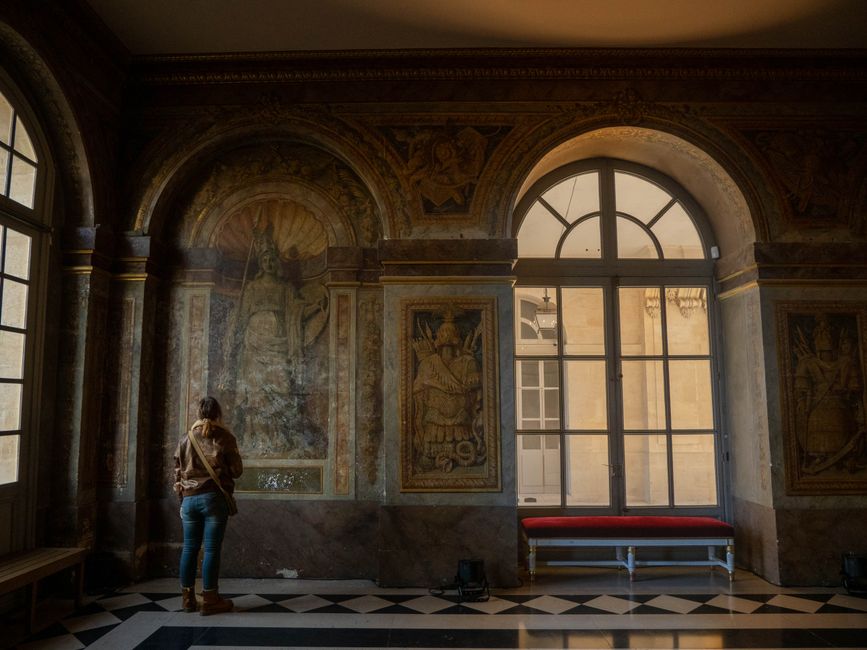
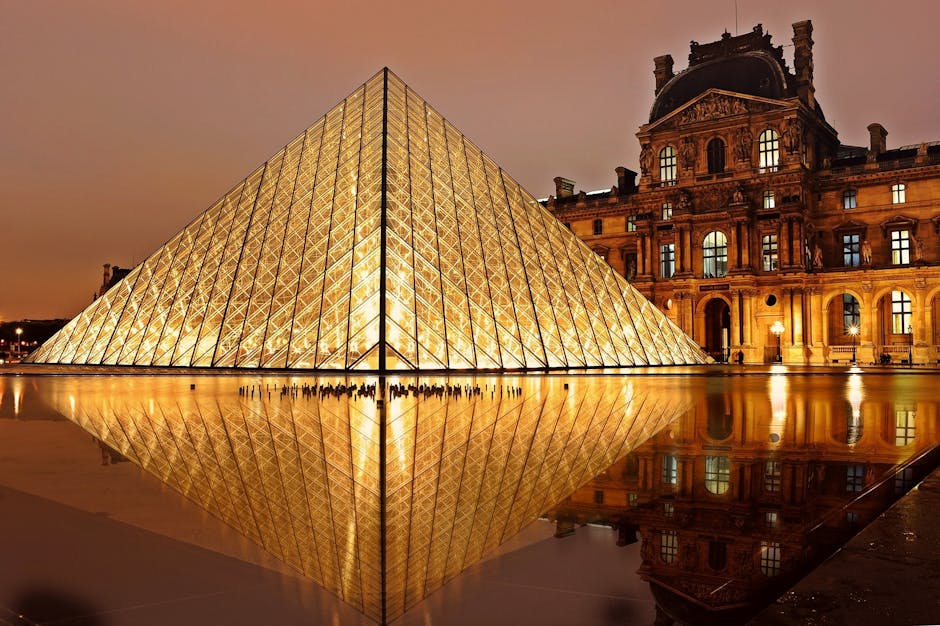
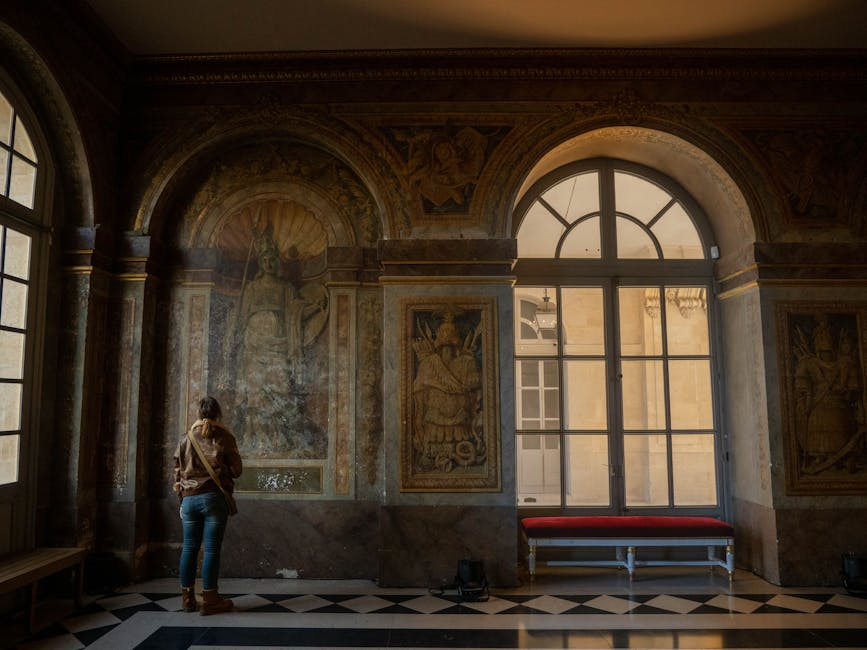
France's commitment to preserving its art heritage is evident in its extensive array of museums and cultural institutions. The Louvre Museum, home to an unparalleled collection of art masterpieces, showcases works ranging from ancient civilizations to contemporary pieces. France's dedication to conservation ensures that these cultural treasures continue to be admired by future generations, safeguarding the nation's artistic legacy.
In conclusion, the art heritage of France is a dynamic and evolving entity, steeped in history yet ever forward-looking. Its multifaceted dimensions—from grand architecture to revolutionary movements—underscore the pivotal role France has played and continues to play in the global art scene. By embracing both tradition and innovation, France's artistic legacy is a testament to the enduring power of creativity and expression.