France, a nation rich in history and culture, is a treasure trove of antiques waiting to be discovered and understood. Whether you're an avid collector or just someone with an inherited relic, determining the value of antique pieces can be both exciting and daunting. Antique appraisal in France offers an opportunity to delve into the past, connecting with stories encapsulated in objects running the gamut from furniture and paintings to jewelry and ceramics. But how does one navigate the authenticating and appraisal process effectively? This comprehensive guide aims to demystify antique appraisal in France, highlighting key steps to unlocking the intrinsic historical and monetary value of your items.
Understanding the Significance of Antiques
Antiques, typically defined as items over a century old, often embody both historical significance and monetary value. In France, a country steeped in history and art, the market is especially vibrant. From Louis XIV furniture to ornate tapestries and fine porcelain, French antiques capture the essence of bygone eras. The significance of these objects is twofold: they serve as cultural artifacts and investment opportunities, thereby necessitating a detailed and expert appraisal to truly appreciate their worth.
The Appraisal Process in France
Identifying Authentic Antiques
The first and foremost step in antique appraisal is to ascertain the authenticity of the item. France is replete with reproduction pieces, and distinguishing true antiques requires a keen eye. Look for telltale signs of aging like patina or wear in places of frequent handling, and be cautious of items that appear too pristine. Verify any maker’s marks or stamps, which can offer valuable clues about the origin and age of the piece.
The Role of Professional Appraisers
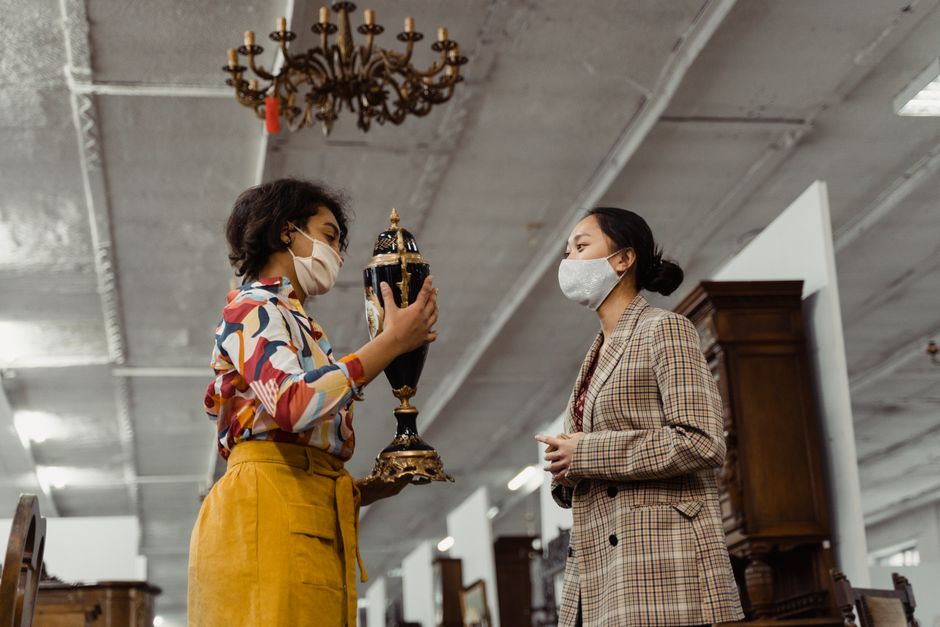
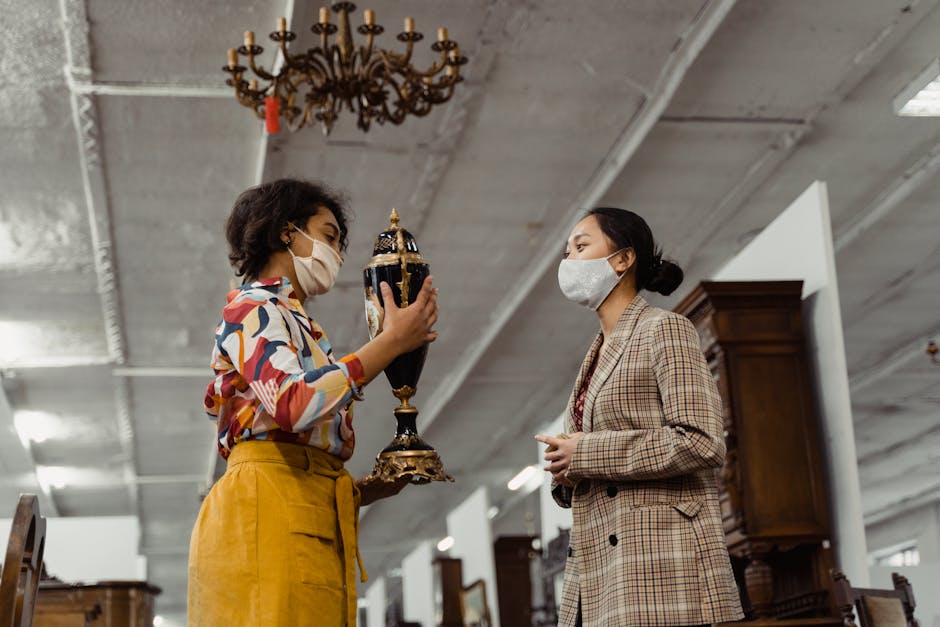
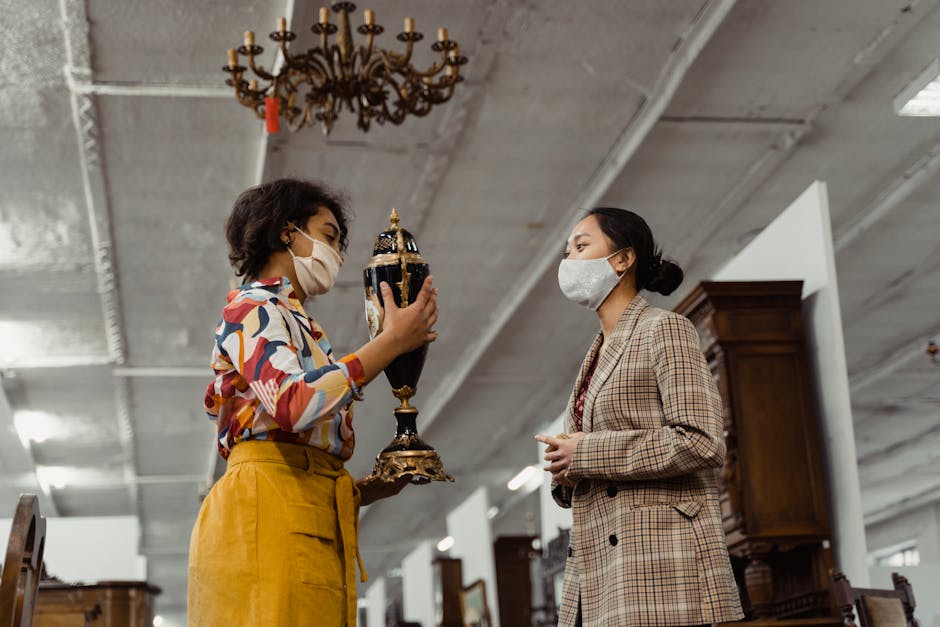
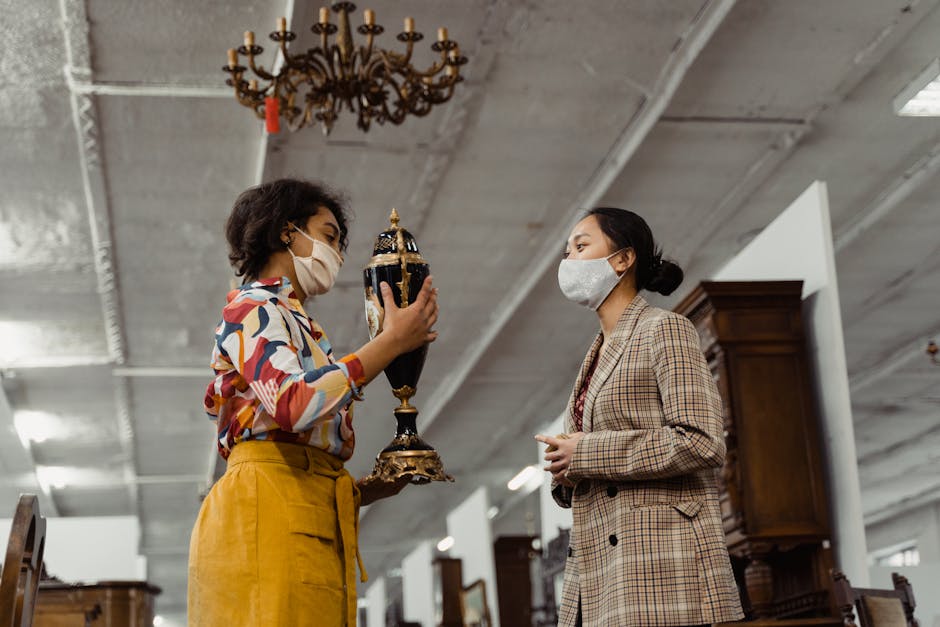
Engaging a professional appraiser is essential for obtaining an accurate evaluation of your antique’s value. These experts have specialized knowledge about the periods and styles significant to French antiques. In France, appraisers might hold certifications from organizations such as the Chambre Nationale des Experts Spécialisés (CNES) or the Compagnie Nationale des Experts (CNE), ensuring adherence to recognized standards of practice.
Professionals can provide a detailed report on your item’s history, cultural significance, and current market value. Consulting multiple appraisers can be a prudent move, as it provides a well-rounded perspective on the appraisal.
Factors Influencing Antique Value
Several variables affect the value of an antique item. The provenance—a record of an item’s history and ownership—can significantly bolster its value, especially if the piece was previously owned by someone notable. The condition and rarity of an item also play crucial roles. Understanding market trends is another important aspect as demand can heavily impact valuations, and styles that fall in and out of favor must be considered.
Navigating the French Antique Market
France’s antique markets and auction houses, such as those in Paris or the famous flea markets of Saint-Ouen, are perfect venues to either purchase or gain insights into selling your pieces. These marketplaces not only offer a glimpse into the current trends and demands but also allow you to connect with other collectors and stakeholders in the antique world. Engaging with the local antique community through these avenues can provide invaluable insights and enhance your knowledge and approach to appraisal.
Conclusion: The Art and Science of Appraisal
Antique appraisal in France is both an art and a science. Combining historical knowledge with an understanding of market dynamics requires both skill and intuition. With the insights from professional appraisers and a keen eye for authenticity and detail, uncovering the story—and value—behind an antique item becomes a rewarding journey into the past. By appreciating the intrinsic significance of these relics, one not only connects with history but also preserves and perpetuates it for future generations.