The allure of antiquing in France is undeniable. Amidst the vibrant flea markets, historical boutiques, and myriad auction houses, France is a haven for antique enthusiasts. Whether you're a seasoned collector or a curious newbie, understanding the nuances of antique appraisal in France can enhance your quest for timeless artifacts. This guide will delve into the essentials of antique appraisal and explore how to best navigate this intriguing process in France.
Understanding Antique Appraisal
Antique appraisal is the practice of determining the value of historical items, often involving assessing age, rarity, condition, and provenance. In France, where history and art intertwine seamlessly, antiques often tell stories of bygone eras. A professional appraisal not only authenticates the piece but also provides a fair market value. Knowing the worth of an object can assist in buying, selling, or insuring your cherished items.
The French Antique Market: A Historical Context
France's rich history is mirrored in its antique market, which ranges from classical French furniture and porcelain to art deco pieces and vintage jewelry. Each region brings its unique flair; Provence, with its rustic charm, offers distinct pottery and textiles, while Paris is known for aristocratic art and elegant furniture. This diversity means appraisers in France often come with specialized knowledge, significantly enhancing the appraisal's accuracy and depth.
The Appraisal Process: What to Expect
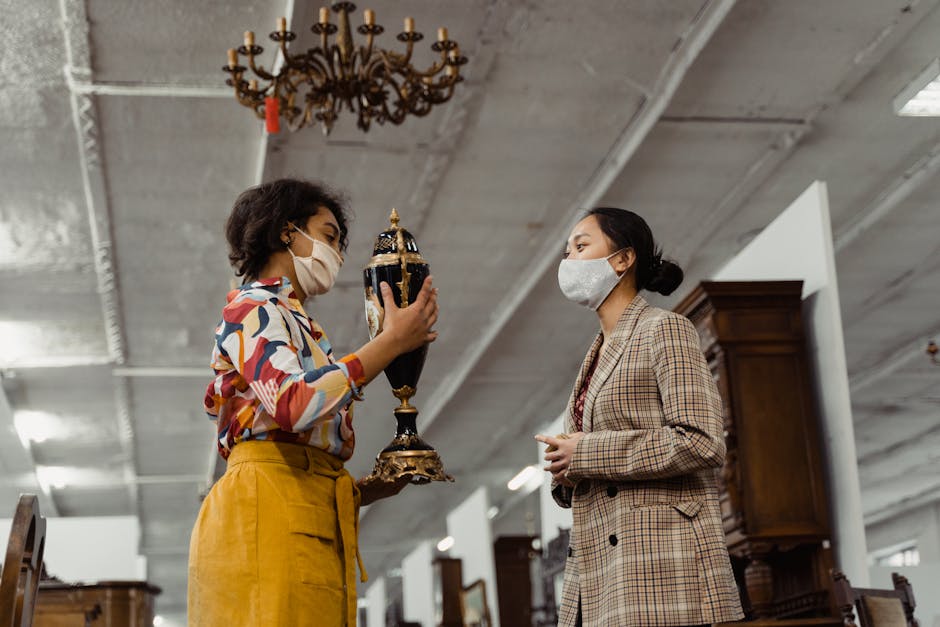
The appraisal process typically begins with an assessment of the item's physical condition and historical context. Appraisers look for authenticity markers such as maker's marks, historical documentation, and signs of aging that reflect true antiquity. They compare similar pieces in the market to establish a comparable value. In France, considering the local historical and cultural significance of an antique can be critical in appraising its worth.
Choosing the Right Appraiser in France
To select a competent appraiser, seek professionals accredited by reputable associations such as the Compagnie Nationale des Experts or the Syndicat National des Antiquaires. Verify their specialization aligns with your antique's nature—be it artwork, furniture, or jewelry. Recommendations from collectors and references from auction houses can also guide you toward a trustworthy professional. Remember, a detailed written appraisal is invaluable, offering insights into the item's history and valuation.
Tips for Successful Antique Appraisal
1. **Research and Preparation**: Familiarize yourself with your item's background before seeking appraisal. This can include understanding its origin, past restorations, and any associated paperwork.
2. **Condition Documentation**: Take detailed photographs and notes about the condition of the item, highlighting both imperfections and unique features.
3. **Engagement in Appraisal**: Actively engage with the appraiser, asking questions to deepen your understanding of the assessment provided.
4. **Multiple Opinions**: Consider getting multiple appraisals to provide a comprehensive perspective on the item's value, especially if it's a high-value piece.
Conclusion: Unveiling Value in France's Antique Market
In the heart of France, where history is embedded in every corner, antique appraisal is not just a transaction—it's a voyage through time. Whether unearthing a hidden gem in a countryside flea market or securing a prized piece from a Parisian dealer, understanding the appraisal process enhances your journey. By appreciating the expertise of appraisers and the rich tapestry of French culture, you can safeguard and augment the value of these timeless treasures. Embrace the artistry and narratives these objects hold, turning every antique into not just a commodity, but a cherished link to the past.