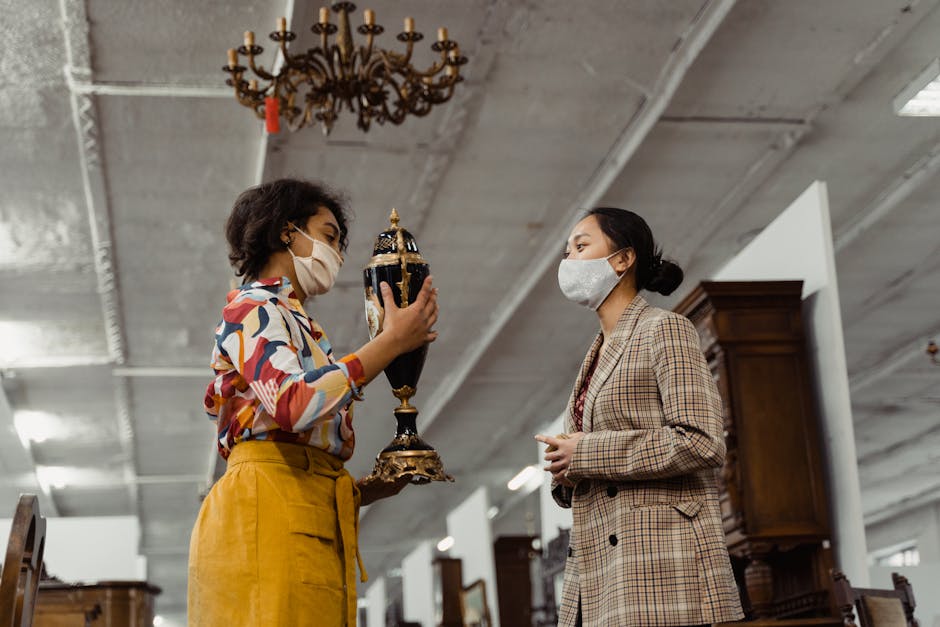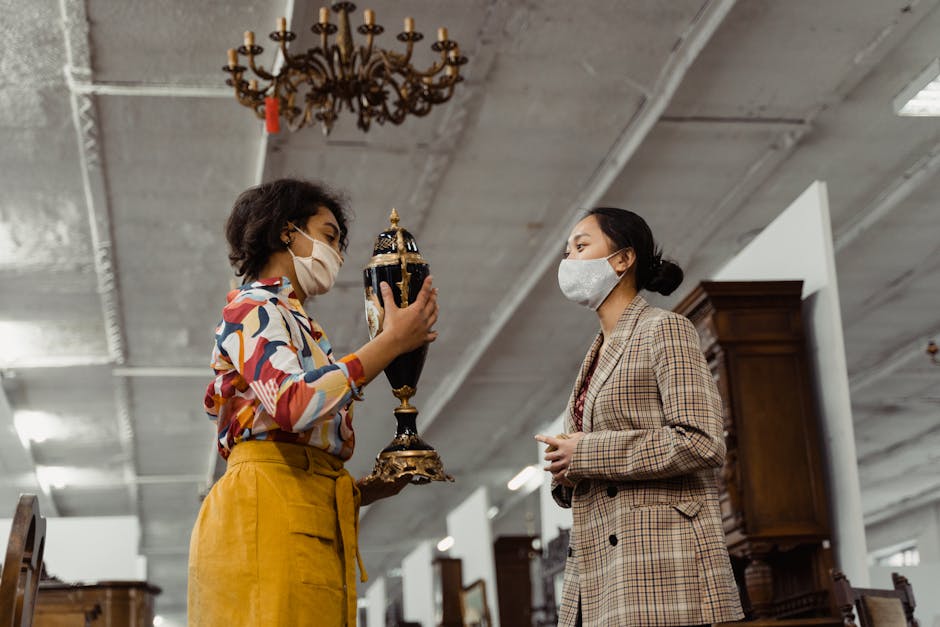
Art has an enigmatic way of capturing the imagination and value of cultures worldwide. However, when it comes to assessing its financial worth, the task requires an eye for detail and a comprehensive understanding of a myriad of factors that influence valuation. This is where professional art appraisal comes into play—a vital practice for collectors, museums, and investors alike. In this article, we delve into the essentials of professional art appraisal, demystifying the process while emphasizing its importance in the art world.
What is Professional Art Appraisal?
At its core, professional art appraisal is the expert evaluation of a piece of art to determine its fair market value. This process is crucial for various purposes, such as insurance, sales transactions, inheritance tax calculations, and charitable donations. A professional appraiser offers a detailed report based on critical examination and thorough research, capturing an artwork's provenance, condition, and relevance in today's market.
The Art Appraisal Process
The process of appraising art is meticulous and adheres to industry standards to ensure accuracy and consistency. Initially, the appraiser gathers pertinent details about the artwork, including its history, previous ownership, and historical significance. The examination phase involves closely scrutinizing the piece for its materials, technique, and any imperfections that could affect its value.
The appraiser then delves into market research, examining auction results, galleries, and private sales to understand recent trends. By compiling this data, the appraiser assesses how similar works are valued in the current market, providing a well-rounded valuation. This research is then consolidated into a formal appraisal report, which details the findings and the appraiser’s certification of the valuation.
Key Factors in Art Appraisal
Several critical factors are involved in determining the value of a piece of art. The artist’s reputation significantly impacts an artwork's value, where works by renowned artists such as Picasso or Warhol fetch higher prices. Additionally, the rarity and uniqueness of the piece contribute to its worth, with one-of-a-kind pieces likely to attract higher valuations.
Condition is another essential factor, as artworks in pristine condition garner greater interest and higher valuations. The provenance, or documented history of ownership, also adds intrinsic value, especially if the piece has a notable lineage or has been part of significant exhibitions.
Who Needs a Professional Art Appraisal?
Professional art appraisals are indispensable for anyone involved in the art market. Collectors and investors rely on accurate appraisals to make informed purchasing decisions and to ensure their collections are adequately insured. Museums and galleries also benefit from appraisals for both acquisition and deaccession purposes.
Estate planners and attorneys find appraisals critical in managing assets accurately, particularly for estate tax and division of property during legal proceedings. Charitable institutions also seek professional appraisals when accepting donations of art to ensure the proper valuation for tax benefits.
Choosing a Qualified Art Appraiser
Selecting the right professional appraiser is pivotal in ensuring the correct valuation of art. It is advisable to choose appraisers who hold memberships in professional bodies such as the Appraisers Association of America or the International Society of Appraisers. These organizations set rigorous educational and ethical standards for their members, ensuring a high level of expertise.
Appraisers should have a demonstrable track record of experience, specializing in the specific type of art being appraised. Checking credentials, previous appraisals, and references can provide insight into their credibility and reliability in the field.
Conclusion
Professional art appraisal is a blend of art and science, providing an essential service to numerous stakeholders in the art world. Whether for insurance, sale, or estate planning, an accurate and credible appraisal can make all the difference in preserving the financial integrity of an art collection. With expert appraisers bringing together historical knowledge, market analysis, and professional judgement, the art of valuation is a critical skill, ensuring that the treasures of creativity continue to be appreciated—not just for their aesthetic beauty, but for their rightful worth.