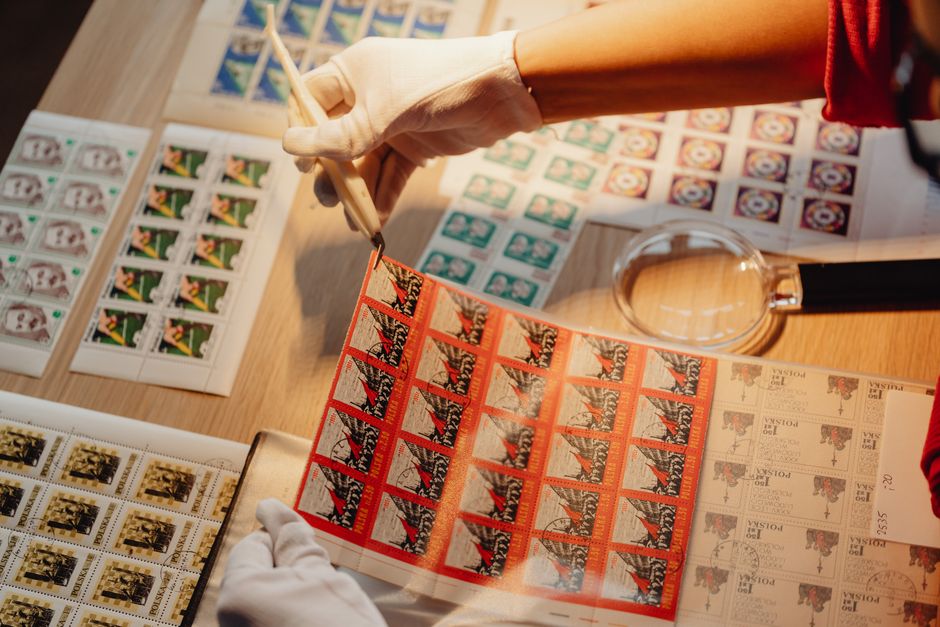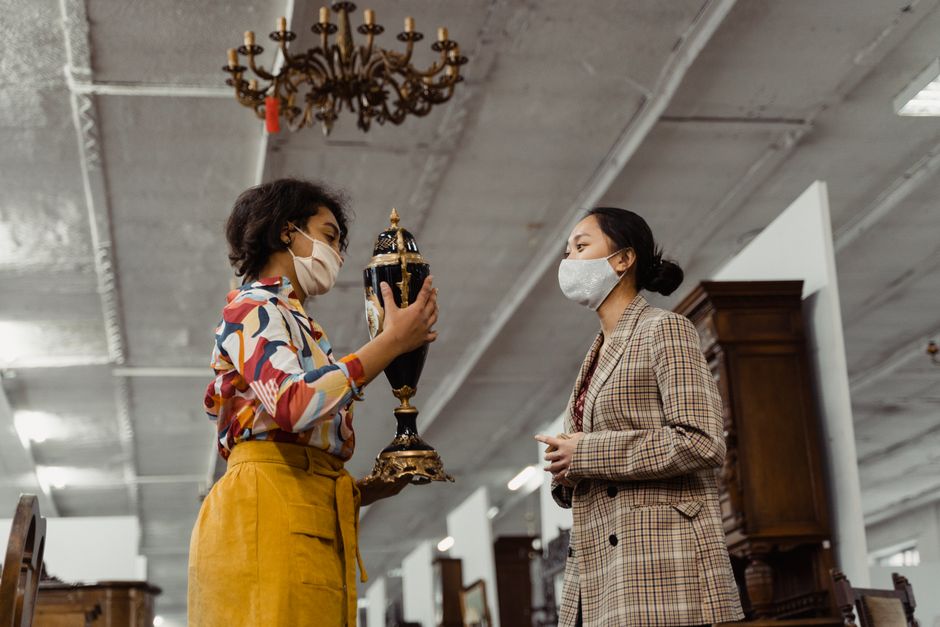
In the ever-evolving world of art, one crucial aspect for collectors, sellers, and enthusiasts alike is fine art appraisal. Whether you have inherited a family heirloom or stumbled upon an interesting piece at a yard sale, understanding the value of artwork is an integral part of managing and protecting your investment. This article delves into the essentials of fine art appraisal, providing an in-depth look at the processes and considerations involved.
What Is Fine Art Appraisal?
Fine art appraisal is the process of determining the monetary value of a piece of art, whether it's a painting, sculpture, print, or another form of artistic creation. This evaluation is typically carried out by an appraiser—a professional with substantial knowledge and experience in art valuation. Appraisals are crucial for various purposes, including sales, insurance, tax, and estate planning. Understanding what art appraisal involves is the first step to managing your art collection effectively.
Why Is Art Appraisal Important?
Art appraisal plays a critical role in numerous scenarios. If you're considering selling a piece of art, an accurate appraisal can help you set a realistic price and attract potential buyers. For insurance purposes, knowing the precise value of your art collection protects you from underinsuring or overinsuring your items. In situations involving tax deductions or inheritance, a well-documented appraisal is often necessary for legal and financial justification. Ultimately, understanding the true value of your artwork empowers you to make informed decisions.
How Do Appraisers Determine Value?
The process of appraising art involves a careful examination of several factors. An appraiser will typically assess the artist's history, the artwork's provenance, its condition, originality, and any previous sales records. The art market is intrinsically linked to trends and demands, so the timing of an appraisal can also impact the value. Ultimately, a combination of objective analysis and subjective insight comes together to determine the estimated worth of an artwork.
What Qualifications Should You Look For in an Appraiser?
When choosing an appraiser, credentials are paramount. Look for appraisers affiliated with reputable organizations, such as the American Society of Appraisers (ASA) or the Appraisers Association of America (AAA). These associations require rigorous standards and ongoing education for their members, ensuring you receive a qualified and updated evaluation. Additionally, an appraiser’s experience with the specific type of art you're having appraised can provide an added layer of expertise to the process.
Are There Different Types of Art Appraisals?
Yes, art appraisals can be categorized based on their purpose. Fair market value appraisals estimate what a piece might sell for on the open market, while insurance appraisals are typically higher to cover the cost of replacement. There are also appraisals for donation and estate planning, each with its own methodology and requirements. Identifying the purpose of your appraisal will guide both the approach and output of the evaluation process.
How Often Should Art Be Reappraised?
Art values can fluctuate dramatically over time due to changes in the market and the artist’s reputation. As a general practice, experts recommend updating appraisals every three to five years, though more frequent updates may be necessary if significant market changes occur. Regularly reassessing your collection ensures you maintain accurate insurance coverage and market knowledge.
Conclusion: Navigating the World of Art Appraisal
Appraising fine art can appear complex, but with the right knowledge and professional guidance, it becomes an invaluable tool in managing your art investments. Understanding the process, selecting a qualified appraiser, and keeping your appraisals current are all critical components in safeguarding the value of your collection. Whether for sale, insurance, or estate planning, mastering the essentials of art appraisal will ensure your treasured artworks remain a source of cultural and financial enrichment for years to come.