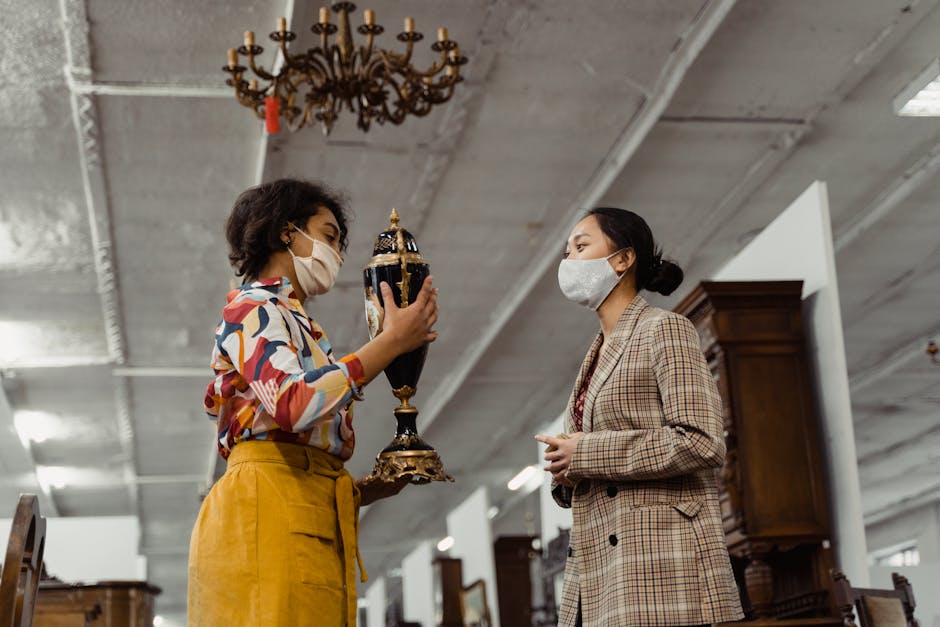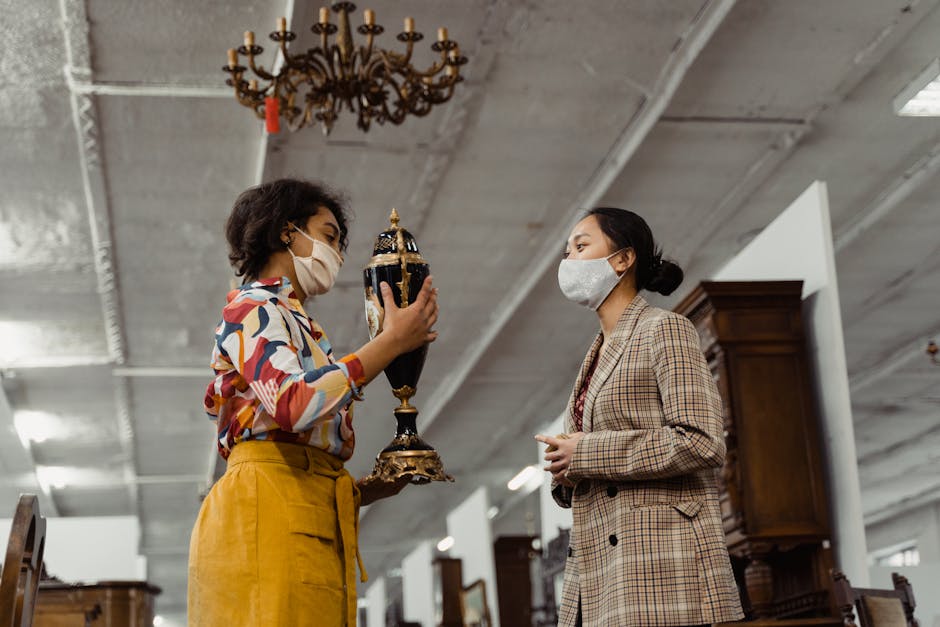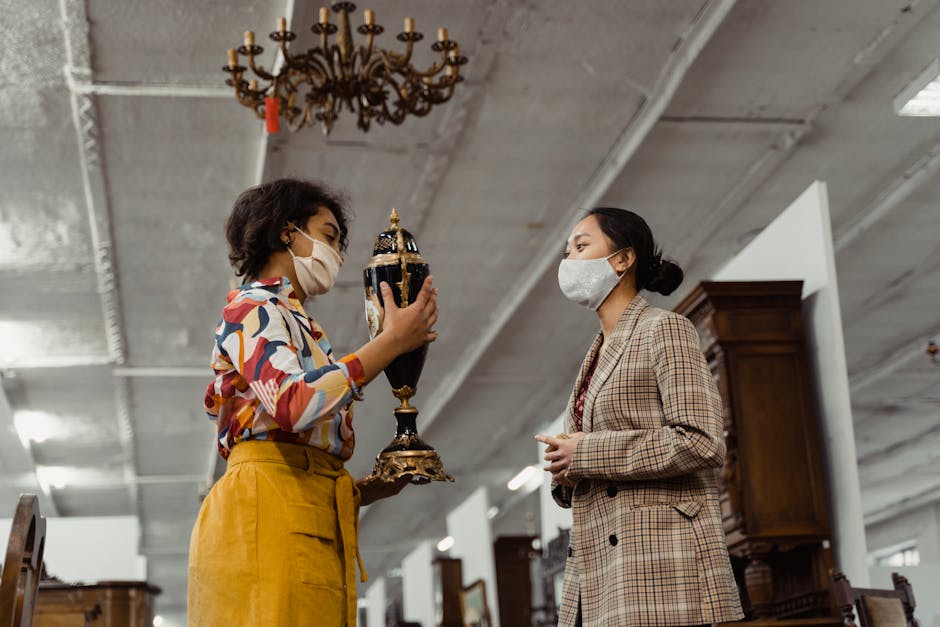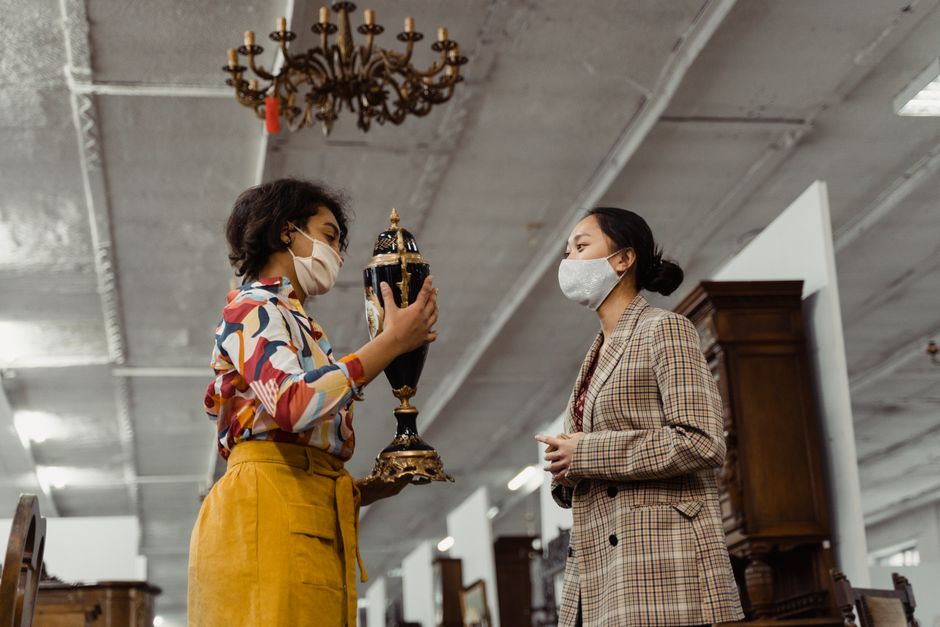
Antique appraisal is an intriguing field that marries history, art, and commerce, offering a glimpse into the enduring elegance and heritage of classic pieces. France, revered for its rich artistic legacy, is a prime destination for antique enthusiasts aiming to uncover treasure troves of historical artifacts. Whether you're a seasoned collector or a curious novice, understanding the nuances of antique appraisal in France is crucial. This guide reveals five essential steps to help you navigate this fascinating realm.
Understanding the Cultural Value of French Antiques
France is synonymous with luxury and timeless design, making its antiques highly coveted. From Louis XIV furniture to Art Deco masterpieces, French antiques encompass a diverse range of styles and eras. When appraising such items, it's essential to recognize their cultural significance. Each piece provides insights into the periods of its creation. Understanding these cultural values not only enhances the appraisal process but also offers a narrative that enriches the appeal of the antique.
Researching the Provenance and Authenticity
Authenticity is the cornerstone of antique appraisal. Misattributions can significantly impair value, hence verifying the provenance, or the history of ownership, is vital. In France, many antiques carry a documented lineage, sometimes dating back centuries. Utilize archives, consult experts or collaborate with established auction houses like Sotheby’s or Christie’s to ascertain the authenticity. Identifying maker’s marks and cross-referencing historical data can also aid in confirming an item’s legitimacy.
Evaluating Condition and Restoration
The condition of an antique dramatically influences its appraisal. France's climate and historical architecture mean many items may have undergone restorations. While some restorations maintain the integrity and enhance the piece, others can diminish value, especially if not done sympathetically to the original features. Carefully examine for signs of repairs, replacements, or refurbishing that could affect its authenticity. Documented restoration, when expertly done, often increases an item’s salability and desirability.
Market Trends and Appraisal Value
Market trends play a pivotal role in determining the value of antiques. In France, tastes may vary from one region to another, with metropolitan areas demanding different styles compared to rural settings. Familiarize yourself with current trends by attending antique fairs, auctions, and galleries. Subscription to antique trade publications and participation in antique-related forums can also provide insights into prevailing tastes and economic factors impacting value assessments.
Leveraging Professional Appraisal Services
Expertise in antique appraisal is invaluable. Although individual research is beneficial, seeking professional appraisal services often yields the most accurate evaluations. In France, accredited appraisers with affiliations to established bodies like the Compagnie Nationale des Experts (CNE) offer reliable assessments. These professionals employ their prowess along with comprehensive tools and resources to determine an item's market value. By enlisting expert services, especially for high-stake collections, the appraisal process becomes more refined and credible.
Conclusion
Mastering antique appraisal in France entails a harmonious blend of historical knowledge, meticulous research, and an eye for detail. By comprehending the cultural intrinsic worth, verifying provenance, assessing condition, understanding market trends, and utilizing professional appraisal resources, collectors can discover the hidden gems tucked within French antiquities. Whether aiming to buy, sell or simply appreciate, these steps forge a path to not only better evaluations but also a deeper connection with the storied past these antiques embody.