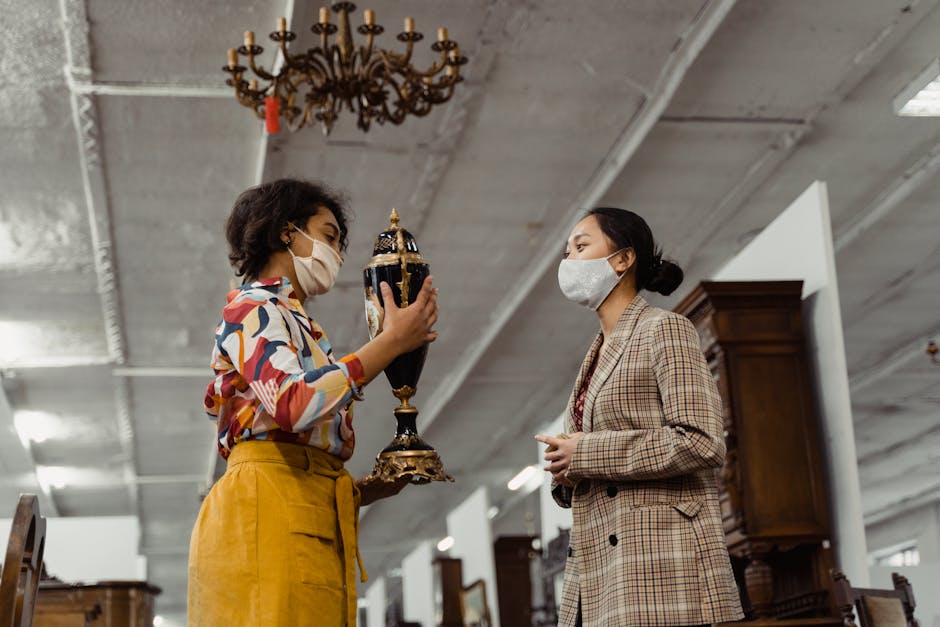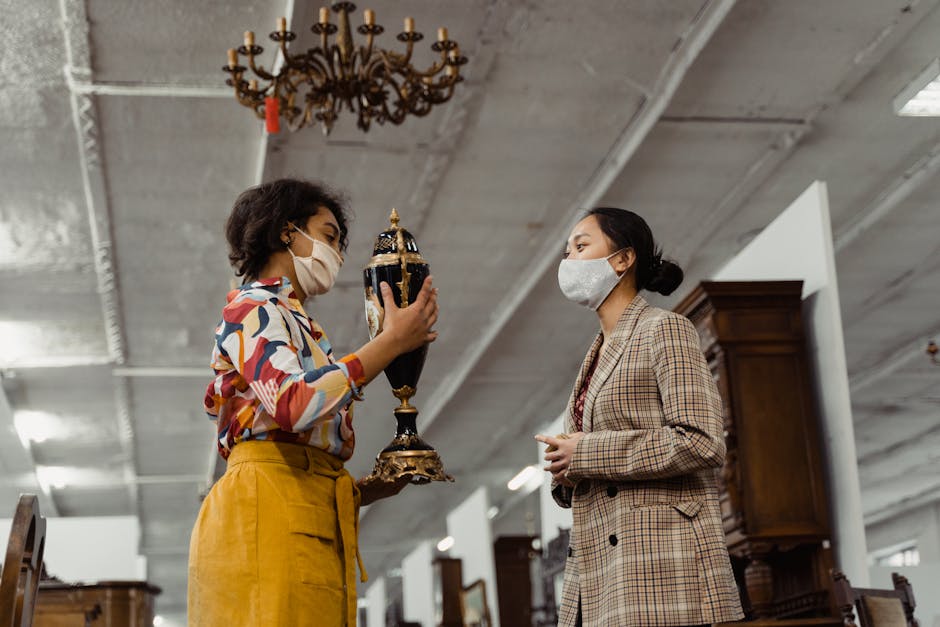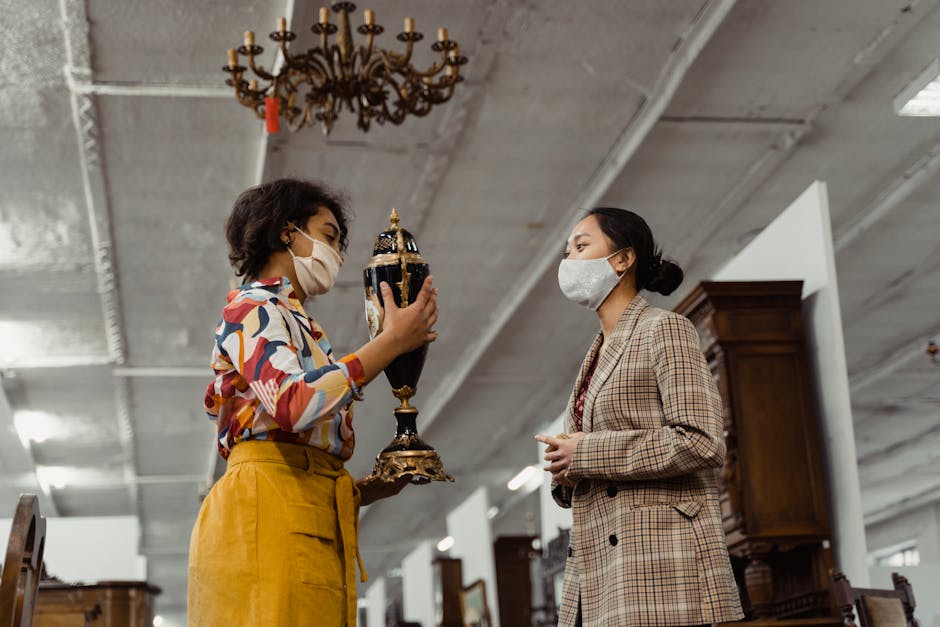
In the enchanting country of France, where history echoes through centuries-old architecture and picturesque countryside, the world of antiques offers a captivating exploration of the past. Whether you’ve inherited a Louis XVI chair or stumbled upon a mysterious painting in a flea market, understanding the process of antique appraisal in France can unveil treasures both literal and historic. In this guide, we delve into the essentials of antique appraisal, helping you determine the worth and authenticity of your potential heirlooms.
Understanding the Importance of Antique Appraisal
Antique appraisal is more than just determining the monetary value of an item. It is an insightful journey into understanding the historical, cultural, and artistic significance of a piece. In France, a country rich in history and art, antiques can span a diverse range including furniture, ceramics, paintings, and manuscripts. Accurate appraisal not only informs owners about the provenance of their items but also enables proper insurance coverage, legal transactions, and satisfying curiosity about their historical context.
Choosing the Right Appraiser
Selecting a competent appraiser is crucial in France's dense tapestry of antiques. A certified and experienced appraiser in France should have extensive knowledge of the specific period or type of item you wish to appraise. Affiliations with reputable organizations such as the Chambre Nationale des Experts Spécialisés en Objets d’Art et de Collection (CNES) or possessing recognized qualifications can be strong indicators of an appraiser's credibility. Furthermore, personal recommendations and online reviews can provide valuable insights into the quality of an appraiser’s work.
The Appraisal Process in France
Once you’ve chosen an appraiser, understanding the appraisal process can prepare you for what lies ahead. The appraisal typically involves a thorough examination of the item, including its materials, craftsmanship, maker’s marks, and any existing documentation about its history or origin. In France, where attention to detail is paramount, appraisers often also consider factors such as rarity, current market trends, and historical context to provide a comprehensive analysis.
Common Antique Categories in France
In the realm of French antiques, certain categories consistently draw interest for their cultural significance and aesthetic beauty:
Furniture
French furniture from the 17th to the 19th century is renowned for its elegance and craftsmanship. Key periods include Louis XV and Louis XVI styles, each reflecting distinct aesthetic trends. Appraisals will often focus on fabric, wood type, design intricacies, and condition to determine value.
Fine Art
French paintings, particularly those from famous periods like Impressionism or Classicism, are highly sought after. Authenticating the artist’s signature, examining paint techniques, and verifying provenance are crucial steps in appraising fine art.
Ceramics and Porcelain
Majolica and porcelain pieces, especially from regions renowned for their artisanal production such as Limoges or Sèvres, hold tremendous appeal. Appraisers examine factors like age, maker’s marks, and glaze quality.
Navigating the Legalities
France's strict cultural heritage laws may impact the sale or export of certain antiques, deemed national treasures. Understanding the legal framework and obtaining necessary permits for appraising or selling such items is essential for compliance and avoiding legal repercussions. Knowledgeable appraisers often guide clients through these complexities, ensuring adherence to regulations.
Conclusion: Embracing the Legacy
Antique appraisal in France offers a fascinating insight into the artifacts that bear witness to the nation’s illustrious history. Whether you are a seasoned collector or a curious owner, navigating this process with an informed approach can reveal the story and value behind each piece. By engaging competent appraisers, understanding the appraisal procedure, and being aware of legal regulations, you preserve and celebrate the stories embedded in these timeless treasures, ensuring their legacy endures for future generations.