Art collection management is a fascinating and complex discipline that requires knowledge, strategy, and a keen eye for detail. Whether you are a seasoned collector or a novice with a burgeoning interest in art, the need for an organized management system is undeniable. This article will guide you through the essential aspects of art collection management to ensure your collection remains both exquisite and well-maintained.
Understanding the Importance of Art Collection Management
Art collection management is more than just cataloging your pieces. It involves a comprehensive approach to handling all aspects of your collection from acquisition to conservation. Proper management not only ensures the preservation of tangible assets but also enhances the value and enjoyment of your collection over time. With the art market booming and pieces often appreciating in value, sound management becomes even more paramount.
Building an Inventory: The Backbone of Management
Creating a detailed inventory is the first step in effective art collection management. This inventory should include critical information about each piece such as the artist, title, creation date, medium, dimensions, provenance, and any restoration history. Consider using digital tools or dedicated art management software to maintain a dynamic and easily accessible record. Automation and digital databases allow for seamless updates and enhance your ability to track your collection’s evolving value.
Preservation and Conservation: Protecting Your Assets
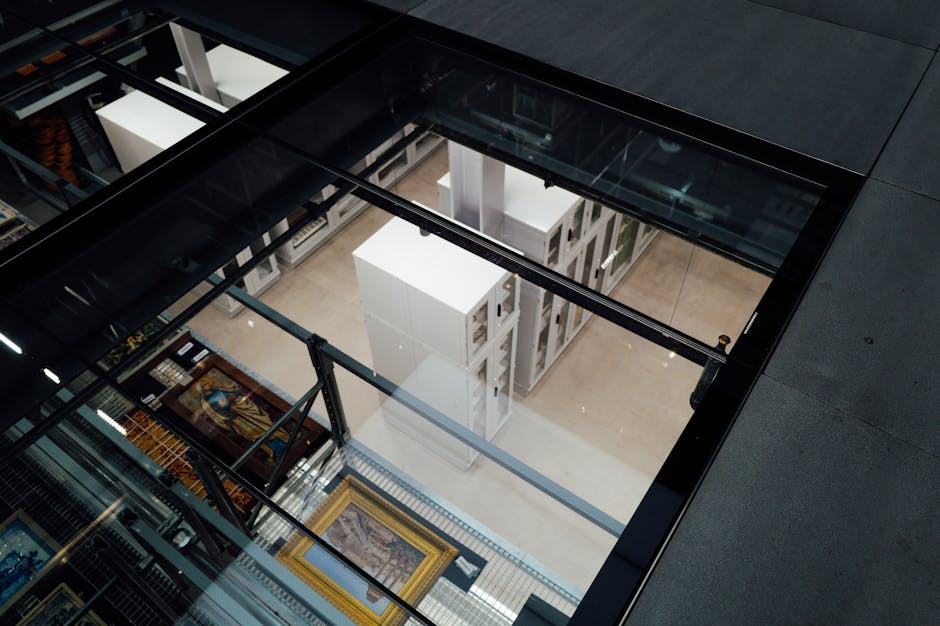
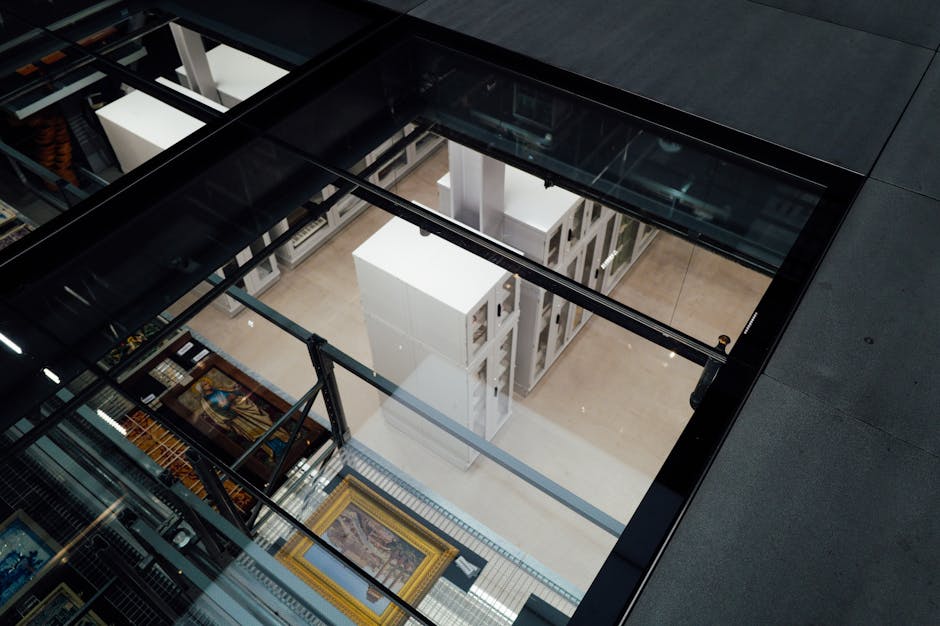
Artworks are susceptible to damage from environmental factors such as light, humidity, and temperature fluctuations. Therefore, safeguarding your pieces is crucial. Employ climate-controlled storage and display environments to mitigate potential harm. Regular assessments by conservation professionals can help identify and address any concerns before they become significant issues. Investing in high-quality framing and display cases can further enhance the longevity and presentation of your collection.
Insurance: Safeguarding Against the Unforeseen
Art can be a significant financial investment; hence, insuring your collection is a wise decision. Art insurance provides a safety net against theft, damage, or loss. When choosing a policy, ensure it covers the specific needs of your collection. Consider factors such as geographic coverage, valuation methods, and any restrictions or exclusions. Regular policy reviews and valuation updates are also essential as the art market and your collection continue to evolve.
Strategic Acquisition and Deaccession
An often-overlooked aspect of collection management is strategic acquisition and deaccession. Acquire pieces that align with your collection’s theme or the narrative you intend to build. It’s also crucial to remain open to deaccessioning—selling or donating works that no longer fit your collection goals. Strategic deaccession can provide funds for new acquisitions or conserve resources needed for maintaining and enhancing your collection.
Engaging with Experts and Community
A successful art collection manager often works in consultation with appraisers, conservationists, and other art-world professionals. Building relationships with industry experts can provide insights into market trends, help authenticate pieces, and establish greater provenance. Furthermore, actively engaging within the art community and attending exhibitions can build your reputation as a collector and open doors to exclusive opportunities and acquisitions.
Conclusion: The Ongoing Journey of Art Collection Management
Art collection management is not a one-time task but an ongoing journey of discovery and stewardship. By embracing these strategies, you can ensure that your collection is well-cataloged, expertly preserved, and continually rewarding to own. Whether for personal enjoyment or public exhibition, well-managed art collections celebrate and immortalize human creativity, transcending generations. As stewards of cultural heritage, collectors play a pivotal role in preserving and nurturing the world’s artistic legacy.