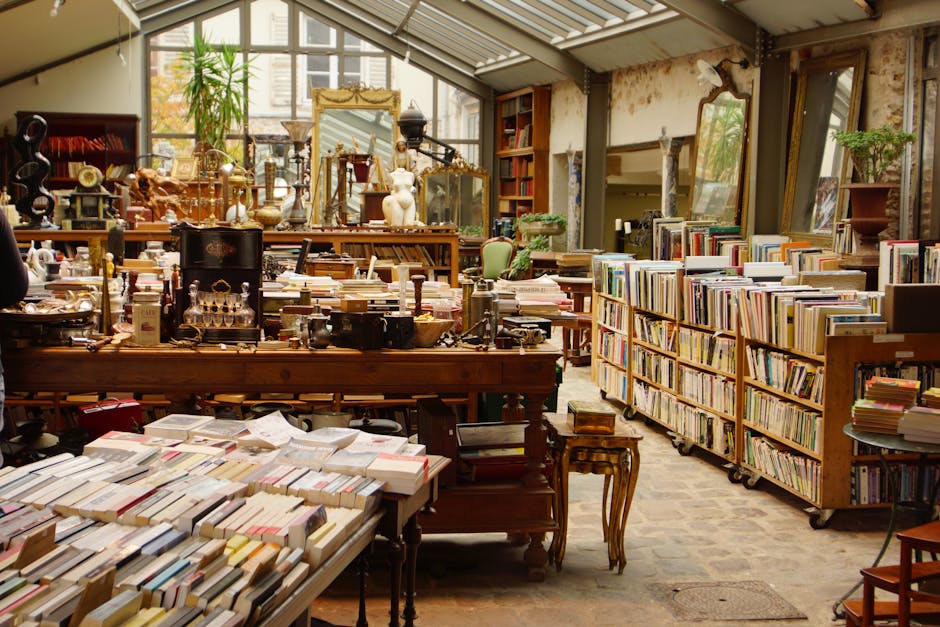
Antique valuation is a fascinating yet complex field, especially in a culturally rich country like France. Known for its art, history, and exquisite craftsmanship, France offers a treasure trove of antiques waiting to be discovered and valued. Whether you are an antique enthusiast, a seller, or a collector, understanding the nuances of antique valuation in France can enhance your appreciation and potentially your financial gain.
The Historical and Cultural Context
France's history as a center of art and culture makes it a prime location for valuable antiques. The country boasts pieces from revolutionary periods, royal influences, and various artistic movements like Art Nouveau and Art Deco. These elements significantly affect an antique’s value. When assessing an item, understanding its historical context in France is essential. A piece from the reign of Louis XIV, for instance, carries different significance compared to an object from the Belle Époque era.
Provenance: Tracing the History
Provenance, or the history of an antique's ownership, greatly influences its valuation. In France, the story behind an item can add layers to its value. Documented ownership by notable figures or association with significant historical events can enhance an item’s desirability. When evaluating a French antique, insist on comprehensive records or documentation to authenticate its provenance and increase its marketability.
Condition and Authenticity
The condition of an antique is a critical factor in its valuation. An item in pristine condition generally commands a higher price. In France, where authenticity is held in high regard, ensuring that an antique is genuine is paramount. This means looking out for impeccable craftsmanship, original materials, and specific era techniques. Experts often rely on certified appraisers who can verify an item’s authenticity and provide a detailed assessment.
Market Trends in France
The antique market in France is dynamic, influenced by ever-changing trends and buyer preferences. Understanding these trends can help in determining the present value of an antique. Items that are in high demand, like mid-century modern French furniture or art from renowned French painters, tend to fetch higher prices. Staying informed about current trends through auctions, antique fairs, or collector communities will provide insights into which pieces are currently sought after.
Appraisal: The Role of Experts
Utilizing professional appraisal services is crucial in the process of antique valuation. In France, accredited appraisers with specialized knowledge about specific types of antiques are invaluable. They possess the expertise required to evaluate an item's material, historical importance, and market demand accurately. Furthermore, their certification can provide assurance to buyers and sellers alike, highlighting the item's verified value and compliance with French market standards.
Conclusion: A Nuanced Approach to Valuation
Antique valuation in France is not merely about appraising for monetary value; it is a deep dive into the cultural and historical essence of the object. By understanding factors like historical significance, provenance, condition, and current market trends, you can gain a comprehensive perspective on an antique's true worth. Whether you are a seasoned collector or new to the field, approaching antique valuation with a well-rounded strategy ensures better investment decisions and a richer appreciation of France's historic treasures.