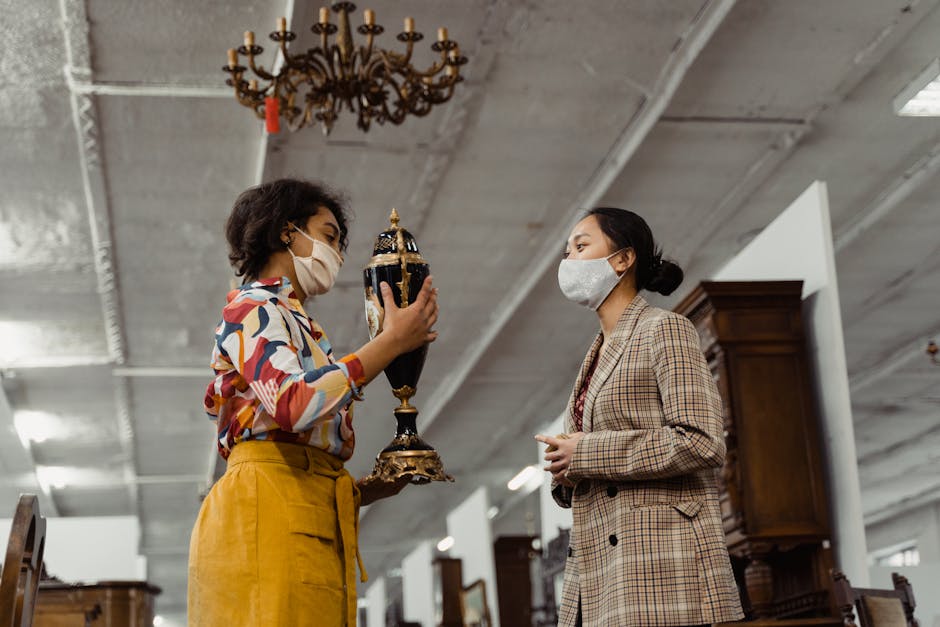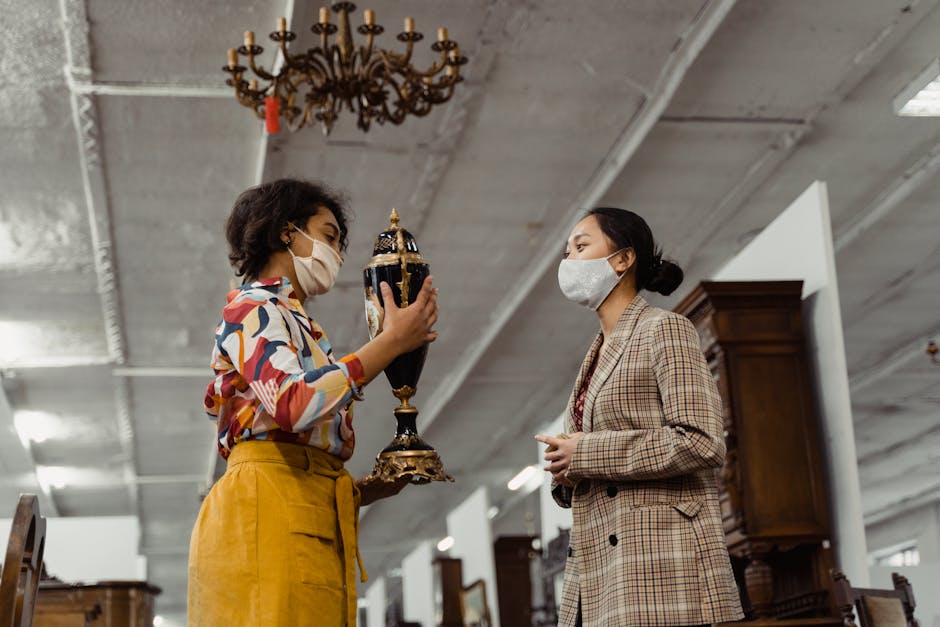
Antique appraisal in France is a fascinating process steeped in history, art, and expertise, attracting collectors and history enthusiasts from around the world. For anyone owning or purchasing antiques in France, understanding how to appraise these treasures is crucial. This article will guide you through the essentials of antique appraisal, ensuring you are well-equipped to evaluate the historic items that capture your interest.
Understanding Antique Appraisal
Antique appraisal is the process of determining the value of items that are at least a hundred years old. This valuation takes into account factors like age, rarity, historical significance, condition, and provenance. In France, a country admired for its rich cultural heritage and historical artifacts, artful appraisal is both an art and a science, requiring an understanding of Old World craftsmanship and market demands.
Significance of Antique Appraisal in France
France is renowned for its contribution to art, furniture, and decorative objects throughout history. Paris, the heart of the French art world, is brimming with galleries, museums, and auction houses, making it a prime location for antique enthusiasts. Accurately appraising antiques here is not only about assessing monetary value; it’s about preserving history and appreciating the cultural significance embedded in each piece.
How to Approach Appraisal
Approaching antique appraisal with the right mindset is crucial. Begin by educating yourself about the type of antique you wish to appraise. Books, online resources, and participation in antique fairs can provide insight into various styles and significant periods. When possible, consult with certified appraisers who possess extensive knowledge of French antiques and are familiar with current market trends.
Hiring a Professional Appraiser
Employing a professional appraiser is a wise choice, especially for high-value items. An expert will evaluate your antique's condition, authenticity, and provenance. In France, many appraisers are affiliated with reputable organizations and hold certifications, ensuring an educated assessment. Make sure to inquire about the appraiser's experience with similar items, as specialization can lead to a more accurate valuation.
The Appraisal Process
Usually starting with a visual inspection, the appraisal process involves identifying the item's age, material, and original craftsmanship. Appraisers investigate marks, signatures, or stamps that may suggest the item's origin. Additionally, they may employ scientific tools, such as ultraviolet light or chemical tests, to authenticate materials. A thorough analysis also includes researching past auction results and current market conditions to estimate the item's potential value.
Legal Considerations
In France, legal considerations play a pivotal role in the appraisal process. Ownership documentation can affect an item's valuation, especially concerning provenance. France has strict regulations when it involves the exportation of cultural artifacts, so understanding legal constraints is crucial for anyone involved in the international trade or transport of antiques.
Conclusion
Antique appraisal in France is a rewarding endeavor for those who cherish the allure of history. Whether you're an avid collector or a curious enthusiast, understanding how to appraise antiques can enhance your appreciation and preservation of cultural heritage. By approaching appraisal with curiosity, engaging experts when needed, and staying informed about the legal frameworks, you can uncover the true value and story behind every precious artifact. As the interest in antiques continues to grow, the importance of accurate and informed appraisals in France becomes ever more significant, allowing history to be preserved for generations to come.