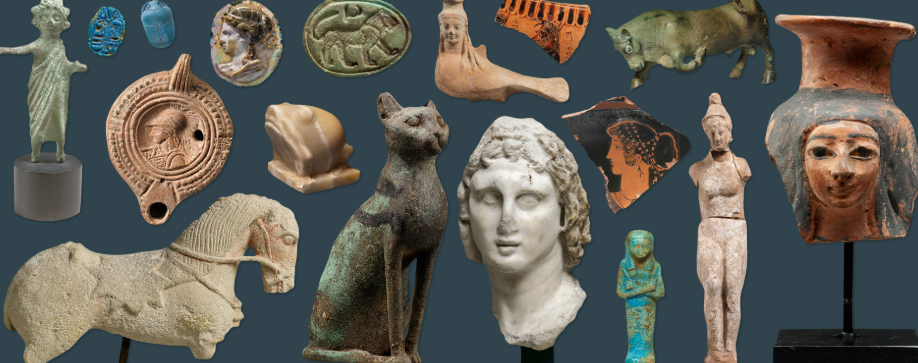
Cultural heritage is often spoken of as something fragile — an inheritance that must be protected from time, damage, and change. While protection is essential, it is only half the responsibility. Heritage does not survive by remaining untouched. It survives by being understood.
Preservation without interpretation turns history into a shell.
Artifacts, artworks, and historical objects are not static witnesses. They were created with purpose, function, and meaning that shift across generations. Preserving them physically while ignoring their evolving context risks reducing culture to decoration.
True preservation begins with comprehension.
Every heritage object exists within layers of significance. There is the moment of creation, the period of use, the moment of rediscovery, and the contemporary lens through which it is viewed today. Each layer adds meaning. Removing one distorts the whole.
This is why conservation is as much intellectual as it is technical. Decisions about restoration, display, and documentation influence how future generations interpret the past. A cleaned surface may reveal detail, but it may also remove traces of history. Experts must constantly weigh visibility against authenticity.
Museums and heritage institutions increasingly recognize this tension. The goal is no longer to present objects as flawless relics, but as participants in an ongoing story. Signs of use, repair, or alteration are not flaws — they are evidence of life.
Regional heritage plays a particularly vital role.
Local artistic traditions often lack global recognition, yet they form the backbone of cultural identity. Bordeaux and the Aquitaine region, for example, carry layered histories shaped by trade, craftsmanship, and cross-cultural exchange. Preserving such heritage requires sensitivity to regional context rather than imposing universal standards.
Interpretation also protects against erasure.
When heritage is displayed without explanation, it becomes vulnerable to misreading or appropriation. Context anchors meaning. It explains why an object mattered, who created it, and how it functioned within its society. Without this framing, heritage risks becoming aestheticized and disconnected from its origins.
Modern preservation faces new challenges. Climate change, mass tourism, and digital reproduction all alter how heritage is experienced. While digital archives expand access, they also raise questions about authenticity and substitution. A digital image can preserve appearance, but not presence.
Yet adaptation is unavoidable.
Heritage that refuses to evolve risks irrelevance. Interpretation allows heritage to remain alive without sacrificing integrity. Educational programs, research publications, and curated narratives help bridge past and present.
Experts involved in heritage preservation operate between responsibility and humility. They are not owners of history, but stewards of meaning. Their task is not to freeze culture, but to guide its transmission thoughtfully.
Cultural heritage endures not because it is protected from change, but because it remains meaningful through it. Preservation succeeds when future generations do not merely see artifacts — but understand why they mattered, and still matter now.
That understanding is the most durable form of conservation.